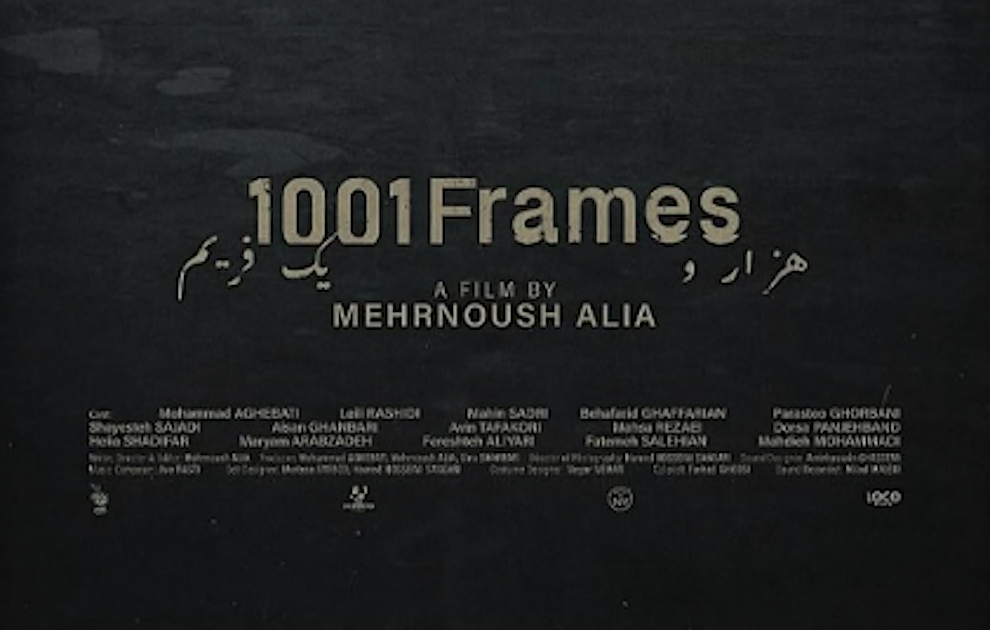
Always much anticipated at the AFI FEST each year are new films by Iranian filmmakers. One of those is the inventive “1001 FRAMES” by Iranian-American director Mehrnoush Alia, who built on her previous award-winning short “Scheherazade” (2015). In the short film that leans into the horror genre, a series of actresses encounter an odd and mysterious audition. A procession of young actresses interview and audition for the role of Scheherazade in “A THOUSAND AND ONE NIGHTS,” opposite a famous director (Mohammad Aghebati) whose comments and questions become increasingly interrogatory, innuendo-laden and threatening. The audition process may have hidden motives beyond simply selecting a lead actress to play Scheherazade.
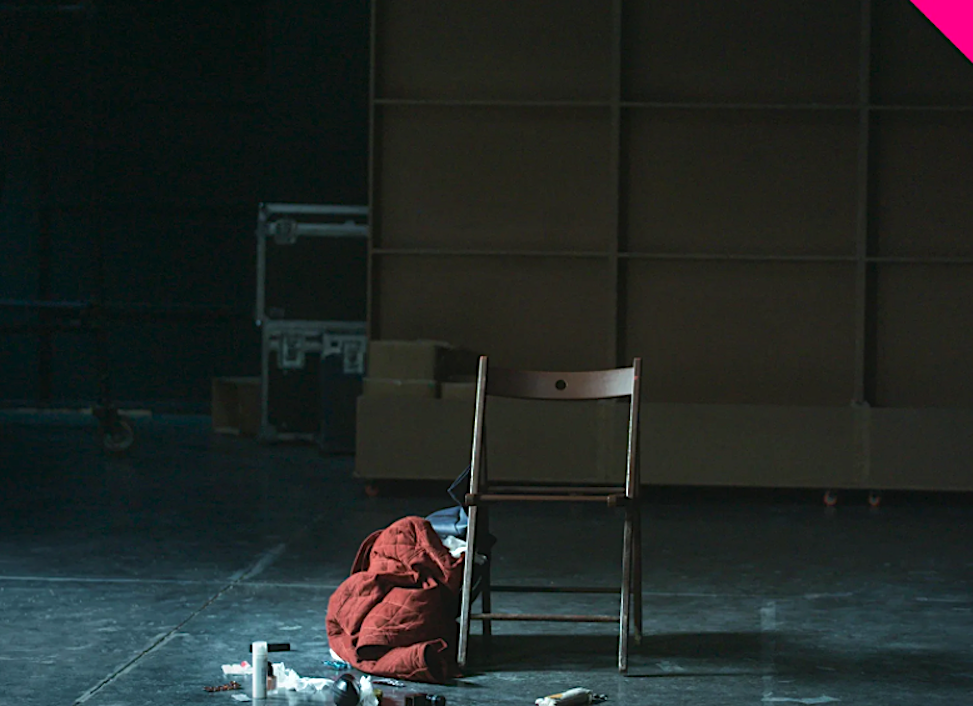
Iranian-American filmmaker Mehrnoush Alia’s debut feature is a provocative riff on the legendary tale, whose heroine escaped the sultan’s wrath by commanding his attention with her tales. The candid stories told by the actresses here offer up-to-the-minute reportage about being a woman in Iran.

As both writer and director, Aliaghaei crafts a narrative that blurs the lines between performance and reality, echoing the broader societal critiques prompted by the MeToo movement. Drawing inspiration from the storytelling economy of Iranian cinema, the film utilizes its minimalist setting to intensify the focus on broader concerns within the creative industries. The strategic use of the audition camera’s perspective as a representation of the invasive male gaze challenges the audience to reflect on their own complicity in voyeurism, while also highlighting the objectification faced by women in such environments.
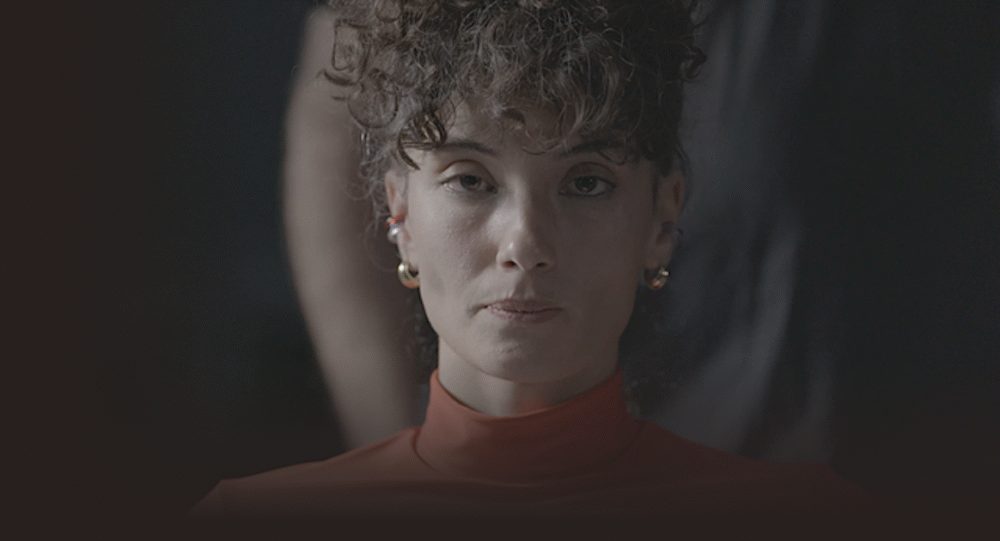
Expanding on her 2015 short Scheherazade and shot in Iran without a permit, Mehrnoush Alia’s nerve-shredding feature debut feels like a #MeToo documentary spiced with a hint of psychological horror. Interrogating the authoritarian hierarchy of the film set and how it can be used to reinforce social power structures, this contemporary take on an ancient story asks what it might take to break out of the frame..
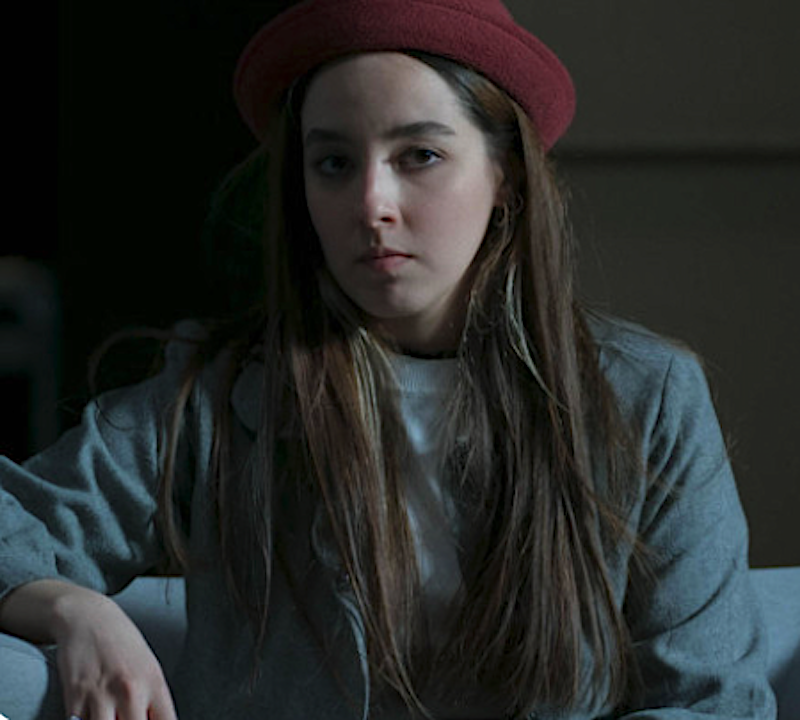
Auditions are meant to be a stage for talent, a chance for aspiring actors to bring characters to life. But in 1001 FRAMES, that stage quickly morphs into something far more unsettling—a place where power, manipulation, and control take center stage. Mehrnoush Alia’s debut feature doesn’t just depict an audition process; it deconstructs it, exposing the cracks in an industry where ambition is too often met with exploitation. What begins as a casting call for the role of Scheherazade in 1001 NIGHTS soon unravels into an exploration of authority and the dangerous ways it can be abused.
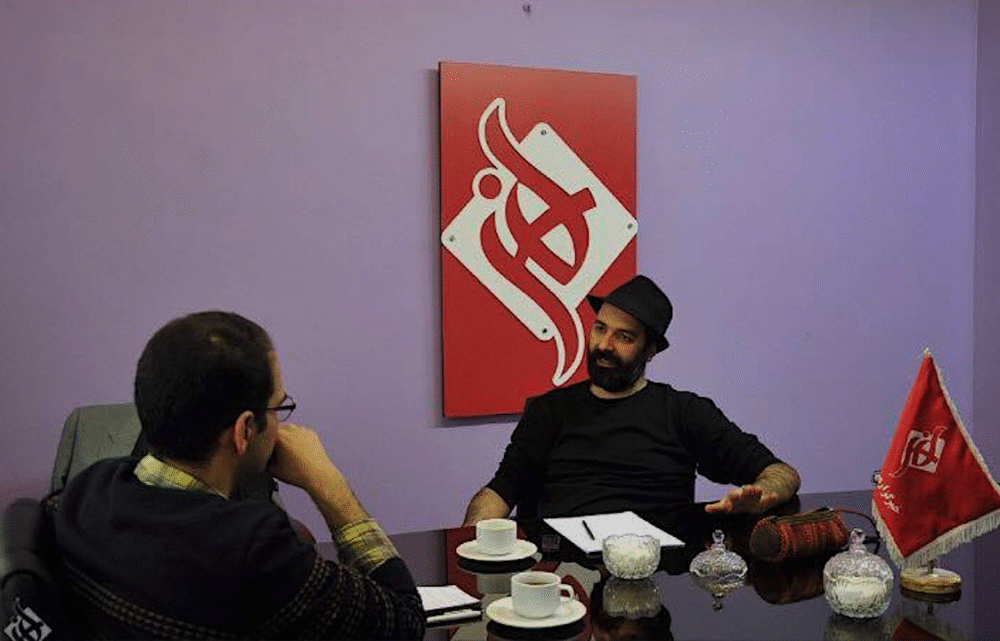
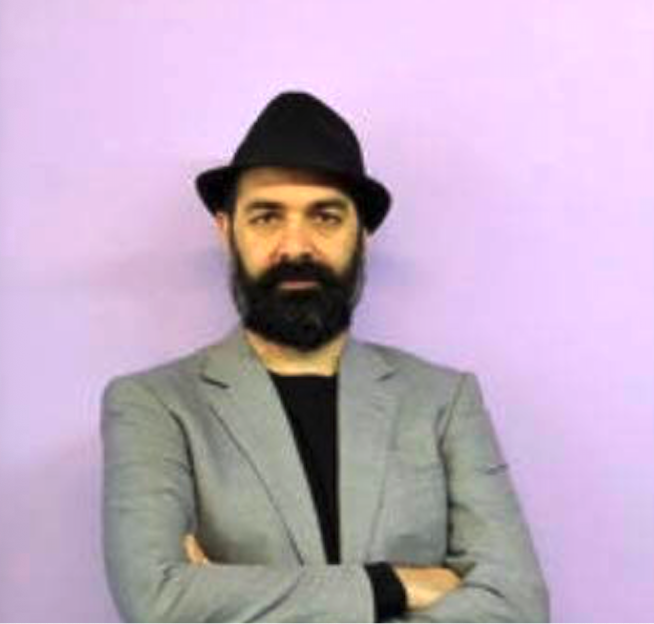
The film wastes no time establishing an ominous tone. The audition process feels authentic—hopeful actresses arrive eager to land the role, unaware that they are stepping into a scenario where the industry’s power dynamics are pushed to extremes. The director, an unseen presence, dictates the session from the shadows, his authority defined not by his actions on screen but by his voice. His instructions become more invasive, his questioning more personal, and the women begin to realize they are part of something that isn’t just about casting. Mohammad Aghebat who remains invisible through almost all of the film teaches acting and improvisation; the actresses in the film are all former students of his acting classes.
This restrained approach works in the film’s favor, heightening the tension without relying on traditional storytelling. The camera captures every glance, every uncertain pause, every forced smile, turning small moments into sources of unease. There’s no need for excessive dialogue or dramatic confrontations; the discomfort is baked into every interaction, forcing the audience to feel as trapped as the characters.
The film is its portrayal of how different women react to the same unsettling situation. Some participants second-guess their discomfort, questioning whether this is part of the process. However, some instantly recognize the manipulation, pushing back against the director’s tactics. It critiques an industry that thrives on uncertainty, where aspiring artists are conditioned to endure discomfort for opportunity.
One would expect consequences for such blatant misconduct in a society with strict moral codes governing public behavior. Yet the film highlights a harsh truth: Power and influence often provide a shield against accountability. The result is a world where those at the top can operate with impunity while those below must navigate impossible choices.
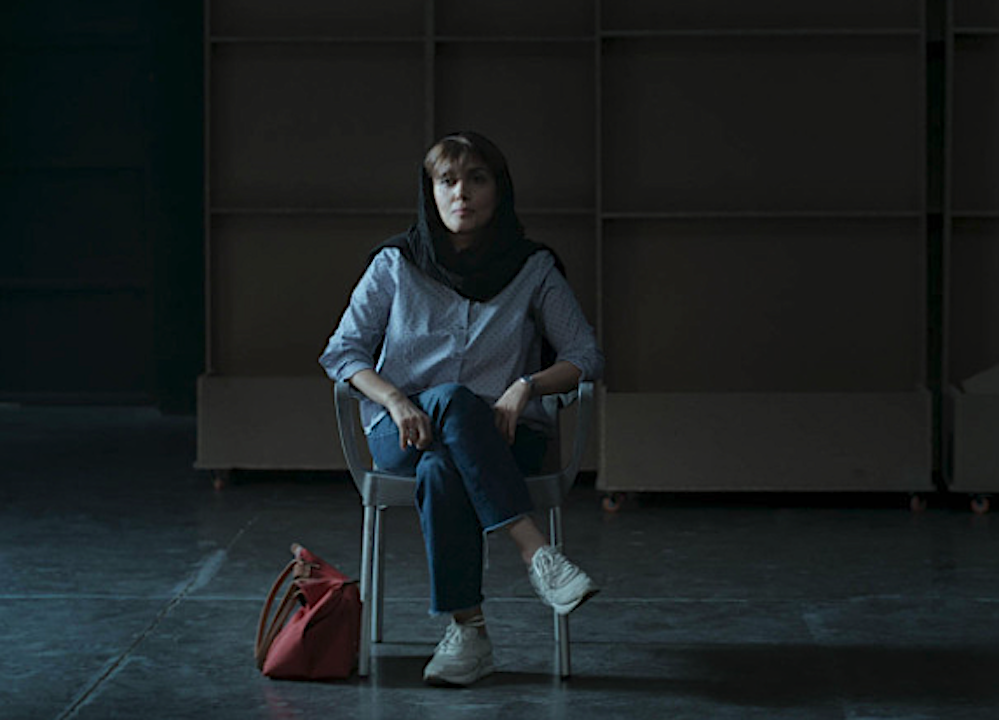
These actresses are expected to perform but for reasons beyond securing a role. Their ability to navigate this high-stakes audition becomes a means of self-preservation, making the entire process feel like a test of submission rather than a showcase of talent. It’s a chilling commentary on the fine line between storytelling as empowerment and storytelling as a form of control. There are no easy answers because, in reality, these situations rarely end neatly. The discomfort lingers, much like the real-world issues the film addresses.
On a meta-level, the film serves as a scathing critique of the industry. It doesn’t just expose predatory behavior; it calls out the structures that have enabled it for decades. The male gaze, often used to objectify, is weaponized differently here. The camera doesn’t linger voyeuristically—it captures discomfort, forcing viewers to acknowledge the ugliness of what’s unfolding. The film ensures its message remains front and center by stripping away the glamour often associated with audition narratives.