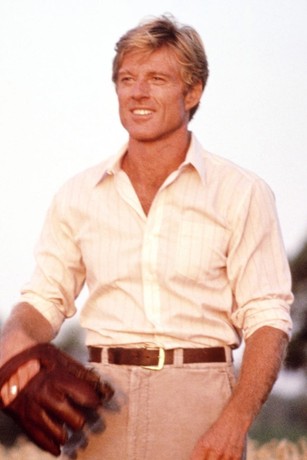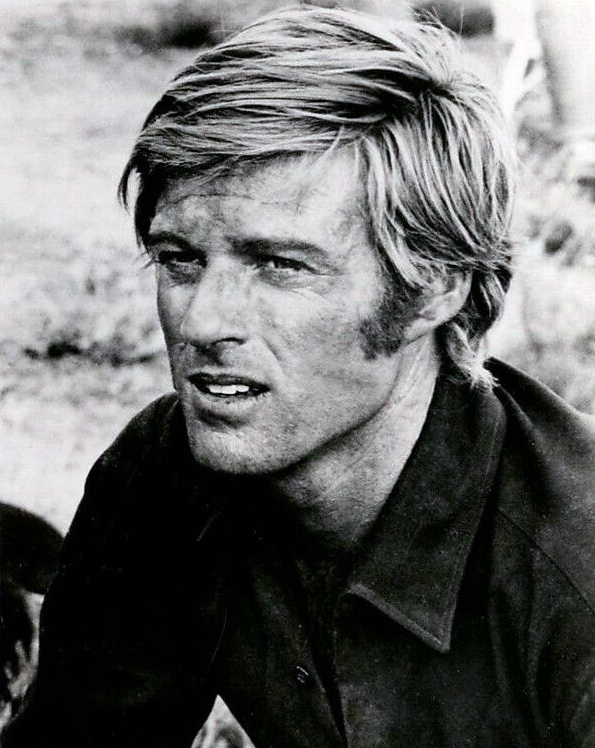
Robert Redford, the golden boy of Hollywood turned Oscar-winning director whose hit movies moved fans across the world and who, offscreen, campaigned for environmental causes and fostered the Sundance-centered independent film movement, died early Tuesday morning at his home in Utah. He was 89
His death, in the mountains outside Provo, was announced in a statement by Cindi Berger, the chief executive of the publicity firm Rogers & Cowan PMK. Berger said Redford had died in his sleep but did not provide a specific cause. He was in “the place he loved surrounded by those he loved,” the statement said.
Robert Redford’s story began in Santa Monica, California, where he was born on August 18, 1936. Raised in a modest, devoutly Roman Catholic family, Redford’s early interests leaned toward athletics and theater, a combination that would later inform his multifaceted career. Redford attended Van Nuys High School, where he was classmates with legendary baseball pitcher Don Drysdale. He studied painting briefly before turning to acting, a decision that led him to the stage and, ultimately, the screen. His early years included a stint at the American Academy of Dramatic Arts in New York, where he honed the craft that would define his public persona. His first acting role on Broadway was in the play “Tall Story”, which he would later appear in the film version.
Redford’s rise in Hollywood began in earnest in the late 1950s and 1960s, a period marked by a string of supporting roles that showcased a quiet intensity and a laconic charm. His breakout came with a measured blend of vulnerability and charisma, traits that would become hallmarks of his performances. By the mid-1960s, Redford had established himself as a leading man capable of carrying both commercial entertainment and more nuanced, character-driven work. His collaboration with director Sydney Pollack produced a series of acclaimed films, including collaborations that navigated suspense, drama, and social concerns of the era.
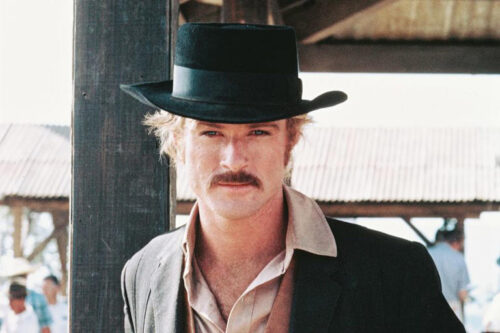
In the late 1960s, Redford began his run of successful movie roles: “Barefoot in the Park”, “Electric Horseman”, “Butch Cassidy and the Sundance Kid”, “Downhill Racer”, “The Candidate”, “Jeremiah Johnson”, “the Great Gatsby”, “the Way We Were”, “All the President’s Men”, and “the Sting” which gave Redford his only Oscar acting nominations. Worried about type casting, he turned down roles for “the Graduate” and “Who’s Afraid of Virginia Woolf?”
Beyond acting, Redford expanded his influence as a director, producer, and advocate for independent cinema. Redford made his directorial film debut with the family drama “Ordinary People”, which had an exceptional cast led by Donald Sutherland, who just passed last year. The film was a remarkable success won four Academy Awards, including Best Picture and Best Director. He co-founded the Sundance Institute in 1981, a landmark contribution to the cultivation of independent film talent and storytelling. The institute’s festival became a crucial platform for emerging filmmakers and a testament to Redford’s commitment to artistic freedom and innovation. Throughout his career, Redford’s on-screen presence remained defined by restraint, integrity, and a steady commitment to craft, while his off-screen work fostered opportunities for future generations of filmmakers.
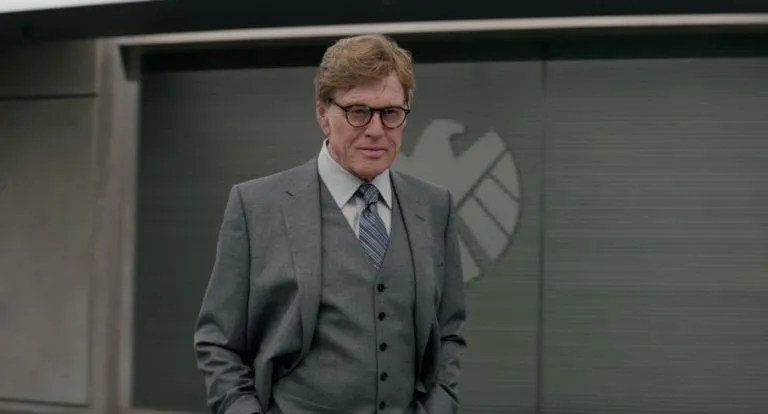
In recent years, he brought his signature style of acting to the Marvel Cinematic Universe in the role of Alexander Pierce in the movie “Captain America: the Winter Soldier.” Redford brought a sense of humor to what turned out to be one of the high-ups of the evil organization HYDRA. Redford would later reprise the role in “Avengers: Endgame.”
Redford’s legacy and career will always be remembered. He was truly born for this. You might even say…he was a “natural” at it.