By Hollywood Times Staffer
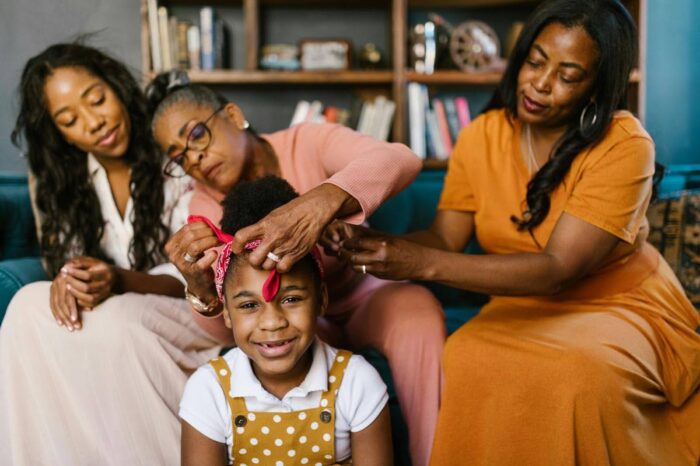
(The Hollywood Times) 9/8/25 – Three generations in one house: it’s meaningful, messy, and rarely quiet. Whether by choice or necessity, more families are choosing to live under a single roof. The benefits are real — shared expenses, built-in childcare, deeper bonds — but so are the challenges. Different routines, expectations, and energy levels collide fast. Harmony doesn’t happen by accident; it’s built on systems, empathy, and clarity. If you’re setting up (or surviving) a multigenerational household, these strategies will help everyone feel at home.
Prioritize Communication That Feels Like Connection
You’ll hear a lot about the importance of communication in multigenerational homes. But it’s not just about talking — it’s about helping everyone feel genuinely heard and understood. From toddlers to elders, each voice needs space. That might mean holding short “kitchen table councils” after dinner or creating visual cues for quiet time vs. shared time. A consistent tone of respect can de-escalate tensions before they snowball. When communication styles clash — as they often do across generations — slowing down, simplifying, and checking for understanding are small moves that build real connection.
Design for Alone Time, Not Just Together Time
Togetherness is often romanticized — but even the closest families need distance. Successful multigenerational households carve out spaces for alone time, not just communal zones. This might mean designating a quiet corner with a recliner and headphones, or giving grandma full claim over the sunroom after 3 p.m. It’s less about square footage and more about territorial clarity — what space is shared, and what space is sacred. Individuality doesn’t disappear in collective living; it needs room to breathe. Building mini-retreats inside the home helps everyone exhale on their own terms.
Use Systems That Reduce Friction Before It Starts
A multigenerational household has three times the people and, often, three times the wear and tear. So, when the refrigerator gives out or the dishwasher starts leaking, that’s not just an inconvenience — it’s a family-level disruption. Having home warranty coverage for appliances in place can take the pressure off decision-making during a breakdown. No one has to argue about who’s calling the repair tech or paying out of pocket. When systems like this are running quietly in the background, everyone gets to breathe a little easier. And breathing room, in close quarters, is everything.
Sound Isn’t the Problem. Sound Management Is.
Some of the most common conflicts in shared living spaces come from noise — and they’re not just about volume. Teenagers with headphones, babies crying during naps, grandpa watching TV with subtitles blasting — everyone’s rhythms are different. The key is creating natural ways to reduce noise conflicts that don’t feel punitive. Bookshelves double as sound barriers. Thick curtains, well-placed rugs, and door sweeps help preserve peace in ways that feel normal, not clinical. You’re not trying to mute life — just cushion it.
Build Conflict Resolution into the Routine
Assuming things will work themselves out is a mistake — and often, it’s how resentments build in silence. That’s why it helps to host weekly check-ins with open agendas, not just crisis meetings. These aren’t high-pressure family summits — they’re soft rituals: fifteen minutes after Sunday dinner, a walk with grandma on Fridays, a standing kitchen table catch-up. Give each generation a chance to share what’s working and what’s not — without judgment, without “fixing” everything in the moment. What matters most is consistent airtime. These check-ins shift the household from reactive to responsive.
Prevent “Gramnesia” by Setting Expectations Early
Even well-meaning relatives can blur boundaries. Grandparents who casually override parenting decisions or sneak sweets before dinner usually aren’t trying to cause chaos — they’re reliving their own scripts. But this dynamic, often dubbed “Gramnesia,” can chip away at trust between generations. The best way to head it off is to set firm expectations early — with kindness, but with clarity. Align on discipline, screen time, routines, and language norms. When everyone knows the shared rules and the “no-fly zones,” love has fewer collisions.
Honor Strengths Across Generations — Not Just Roles
It’s easy to fall into rigid roles: Grandma cooks, Dad fixes stuff, the kids stay out of the way. But those roles can also become limiting, even frustrating, over time. Instead, lean into dynamics that lean into each generation’s unique contributions. Maybe a teenage grandson is great with tech and teaches Grandpa to use FaceTime. Maybe Grandma helps the toddler learn to count while Mom takes a work call. When strengths — not age — define participation, resentment turns into recognition. The goal isn’t just fairness, but mutual appreciation.
Harmony in a multigenerational home isn’t about constant agreement — it’s about balance. When everyone’s needs are acknowledged, no one has to shrink to keep the peace. The best homes make room for alone time, shared time, and repair time. Strong systems and honest rituals are the backbone. These aren’t luxuries; they’re survival tools. Done well, they turn daily friction into lasting connection.
Discover the latest in entertainment, empowerment, and exclusive events by visiting The Hollywood Times today!