By Tequila Mockingbird
It’s hard to believe that it’s been fifty years since the Sex Pistols detonated like a Molotov cocktail into the polite world of 1970s rock. In 1975, the Pistols’ snarling riffs and sneering vocals didn’t just change music—they changed culture. They were chaos with a chord progression, the embodiment of British frustration, rebellion, and DIY disobedience.
Half a century later, the band that once screamed “No Future” has, ironically, a past that refuses to die. Johnny Rotten (John Lydon), Steve Jones, Paul Cook, and the late Sid Vicious have all become reluctant legends, each taking their own crooked road after the punk explosion imploded.
Lydon’s departure to form Public Image Ltd. (PIL) in the late ’70s cemented him as an artist who was always going to move beyond the sneer. While PIL explored experimental post-punk and avant-garde sounds, the original Sex Pistols’ ghost haunted every project he touched. Jones and Cook, meanwhile, carried the torch in their own way, with Jones finding new life in Los Angeles through radio and Cook holding down the rhythmic fort in various projects that never quite escaped the shadow of “Anarchy in the U.K.”
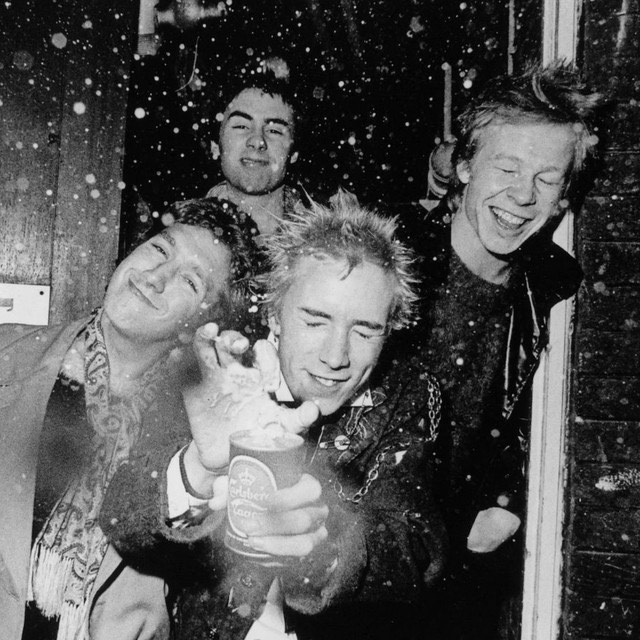
The band’s reunions—each more contentious than the last—have become punk soap operas. They’ve fought, feuded, reconciled, and fought again. Rotten’s sharp tongue remains unfiltered, his disdain for his former bandmates matched only by theirs for him. Yet, somehow, whenever the Pistols’ name is invoked, the energy of rebellion still sparks.
Now, fifty years later, there’s talk of a new singer stepping in—a move both blasphemous and intriguing. Could the Sex Pistols survive without Rotten’s voice? Maybe not. But punk has never been about rules or sacred cows. It’s about reinvention, reinvigoration, and the refusal to go quietly.
What’s fascinating about the Sex Pistols in 2025 isn’t just their longevity—it’s the cultural wreckage they left behind and how that wreckage became a roadmap for everything from grunge to hip-hop to high fashion. Punk went from back alleys to art galleries. Mohawks turned into museum pieces. Safety pins became statements of style rather than survival.
And yet, when you drop the needle on Never Mind the Bollocks, it still feels dangerous. Still raw. Still like a middle finger to authority. The Pistols may never truly get along, but maybe that’s the point—they weren’t designed to. They were designed to explode. And fifty years later, the blast still echoes.