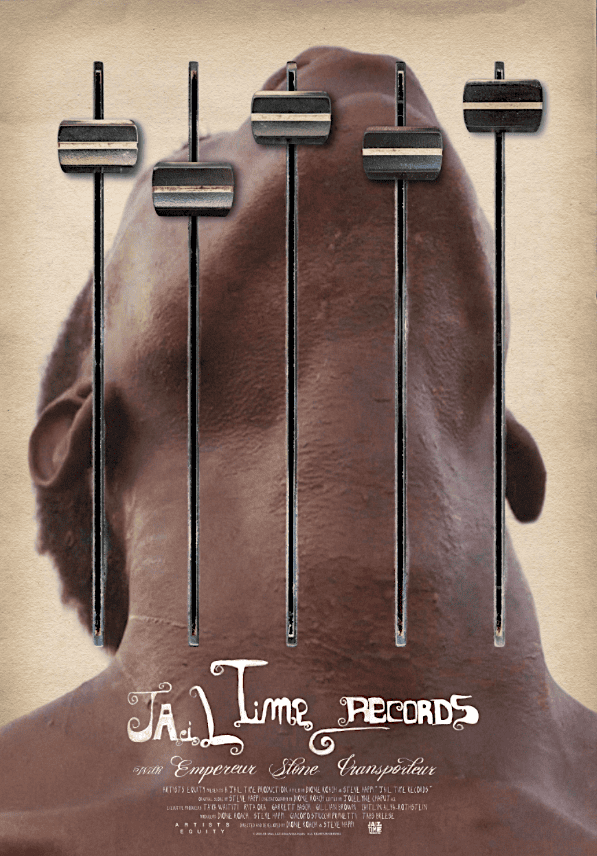
Fresh off the film festival circuit at AFI FEST is a remarkable documentary Jail Time Records, shot over six years inside New Bell Prison in Douala, Cameroon where a group of incarcerated artists are making something extraordinary, Documenting the first recording studio built in a prison, Jail Time Records follows these artists as they transform their circumstances through music. In the middle of conflict and difficulty, music emerges as the driving force that unites extremely different characters and transcends their suffering. The Jail Time Records studio is rudimentary – a small, sweaty recording booth attached to a room inhabited by a solitary computer. It was a NGO volunteer Dione Roach who convinced the authorities to allow her to create this tiny recording studio and teach inmates how to record their songs.

New Bell – a notorious prison in Douala, Cameroon – is a city within a city. The facility has its own “taxis” (inmates who whizz through congested courtyards on foot to hand deliver messages), its own law enforcement (burly prisoners who help stretched guards police the facility) and market (a string of stalls where convicts sell and buy goodies, like fried cassava and beignet pastries). Basically, the occupants of New Bell have adapted the jail’s slack laws to work for them. In 2022, Human Rights Watch reported that New Bell was housing 4,700 prisoners within its crumbling walls – four times its capacity.
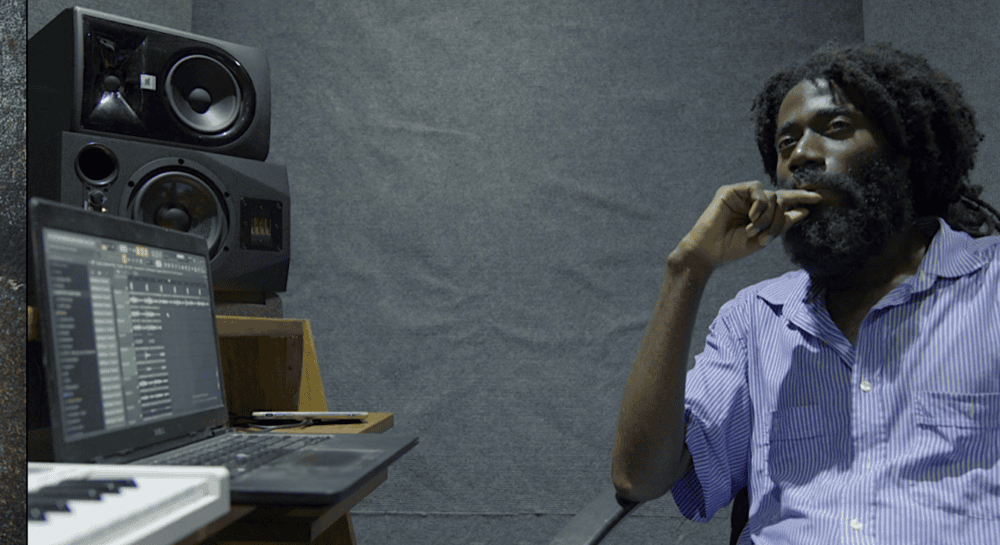
Jail Time Records won three prizes at the Tribeca film in September 2026. The film’s recognition has put an on-site music studio and label inside the prison in front of viewers who may never have heard of the place before. Steve Happi, a former inmate and co-founder of Jail Time Records with artist Dione Roach, described the project as an instrument of resistance where prisoners can share friendship, love and have their voices heard. He also said, “We don’t think anymore about the four walls – we find the freedom.” The documentary was filmed in New Bell over 6 years, a stretch long enough to show how the label moved from a prison studio to a film subject with international recognition. Taika Waititi and Rita Ora served as executive producers, and Taika Waititi said, “The music that comes out of there is amazing.”
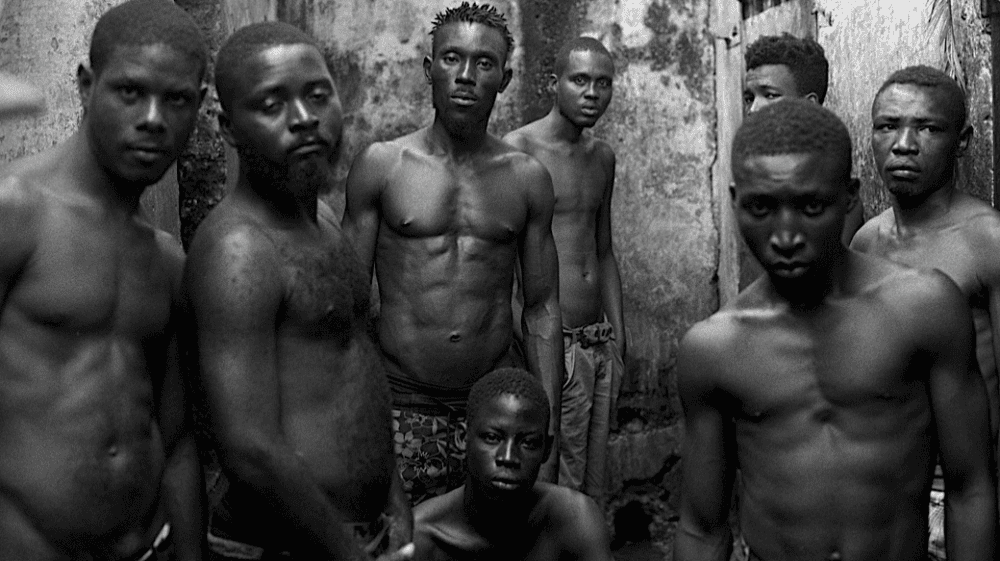
The documentary follows incarcerated artists like Stone, Empereur, and Transporteur as they use music for expression and redemption amidst harsh, overcrowded conditions. Executive produced by Taika Waititi and Rita Ora, the film highlights how the project serves as an instrument of resistance and rehabilitation, with proceeds from inmate music sales supporting the artists and the studio’s expansion to Burkina Faso.
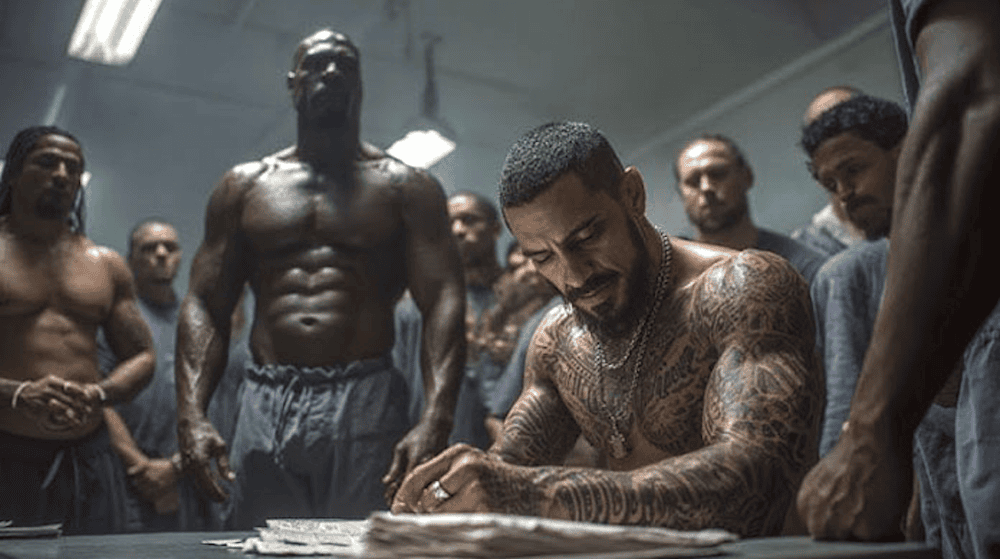
The clearest example of this spirit is Jail Time Records, an on-site music studio and label making mini stars out of the most talented prisoners. Empereur, the feared leader of gangs inside and outside of the prison, has amassed 24,000 YouTube views with a music video filmed entirely in prison. Songs from the inmates have gained fans from as far away as South Africa, the US and Argentina, while earlier this year Jail Time Records put on a huge concert for the prisoners in New Bell’s courtyard.

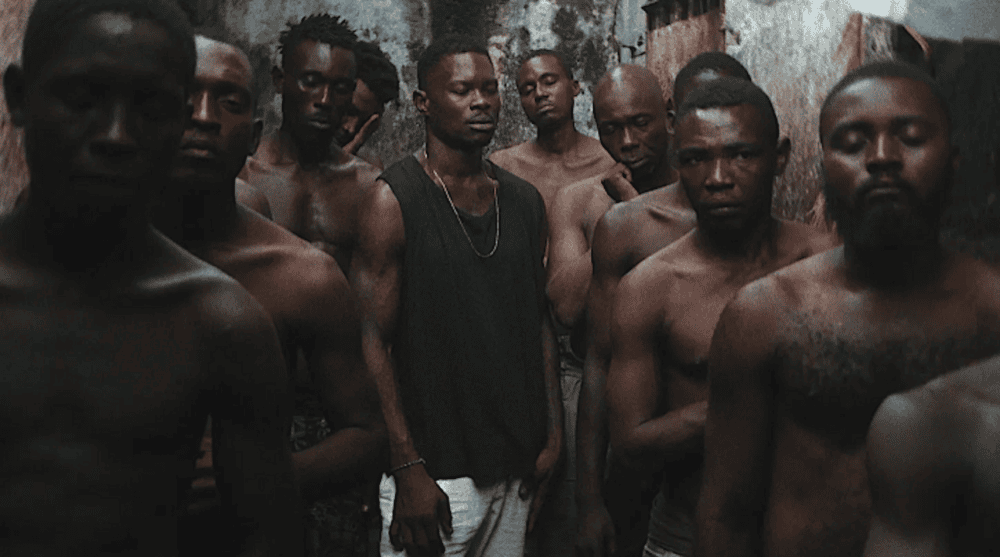
The prison’s packed population, along with its unsanitary conditions, enabled cholera to spread rapidly during an outbreak four years ago, rights groups have said. At least six inmates died from the disease. New Bell also has a reputation for violence. In 2008, guards shot 16 inmates dead during an attempted breakout. Prisoners also attack and intimidate each other – the documentary captures Empereur, who is serving 10 years for multiple crimes, shaking down a bewildered young inmate for a necklace chain and some flip-flops.
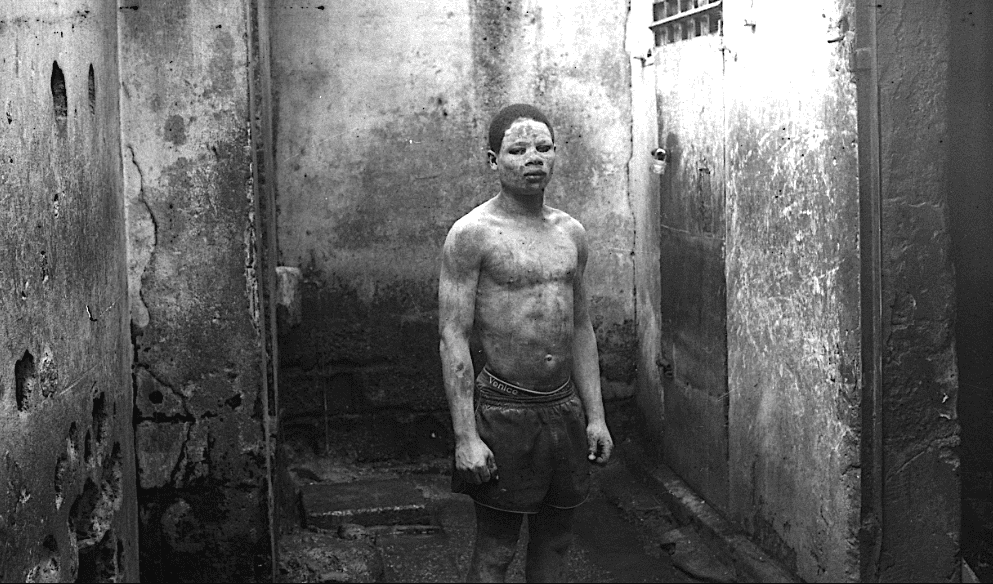
Asked if the Jail Time Records project might glorify Empereur (Josue Aristide Ticky Moulende), the son of a traditional Douala chief, and other criminals who have committed violent crimes, Dione Roach explained in an interview: “The process we’re doing is a rehabilitation process, basically. We enter the prison without any judgment and it’s the only way we can really approach this kind of work.“ “Music, as with any creative process, is also a way of self-discovery… coming to terms with things you’ve done and hopefully changing for the better.”
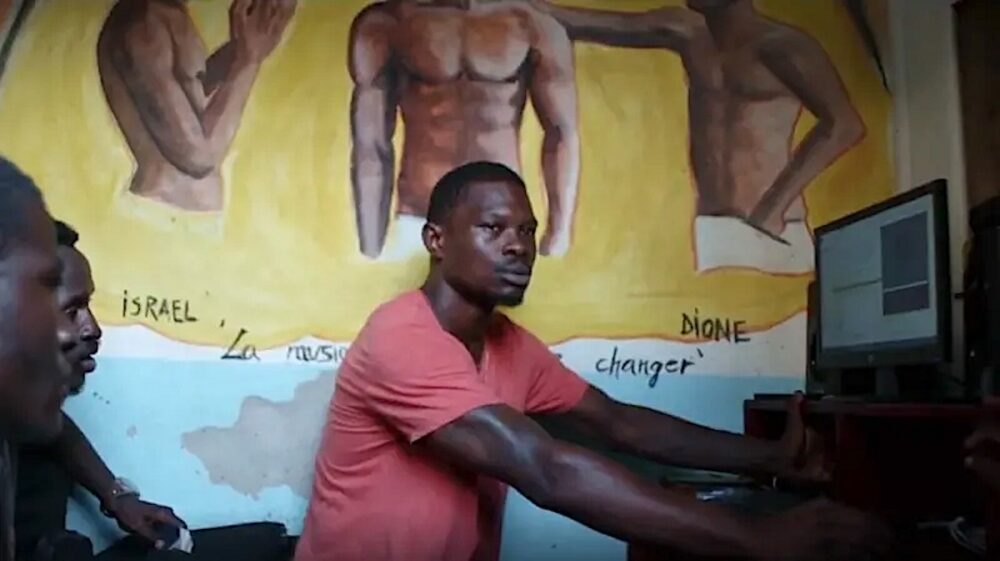
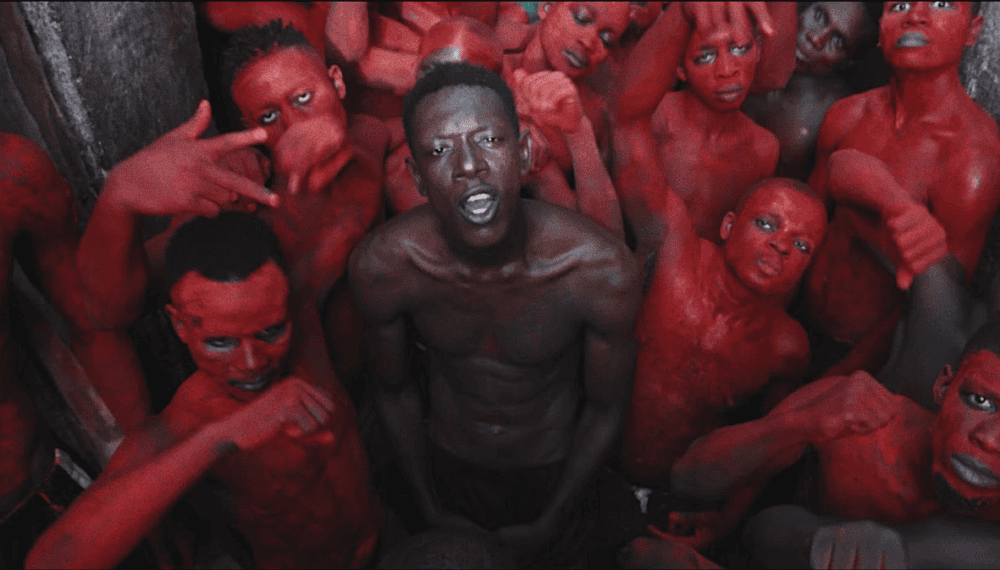
In the film, a prisoner named Stone (Belgie Ludrovic Abantsia) raps into the studio’s microphone: “Heart of stone, it’s war. My senses shatter like broken glass. “I’m closed and tight like a cell door. No solid ground I slip like a fish.” Stone, who used to be a soldier in Cameroon’s presidential guard, was sentenced to 10 years in New Bell for robbery and illegal possession of firearms. He insists he is not guilty. It’s been a long time. She needs to hear my voice from time to time, so she doesn’t forget about her father,” he says in a voice message to a family member, after failing to get through to Maira yet again. The music video for “Heart of Stone” is a typical Jail Time Records affair. The production value is high, storytelling is captivating and hordes of fellow inmates get involved as actors and crew.
“The music that comes out of there is amazing,” says Taika Waititi, the New Zealand Oscar-winning director who, with his wife, the singer Rita Ora, served as an executive producer for the Jail Time Records documentary. “Just in terms of the power of art in relation to redemption and what that can mean to someone who, you know, some of these people are in prison for life. I think having an outlet is an incredibly powerful and humane thing,” he says.”
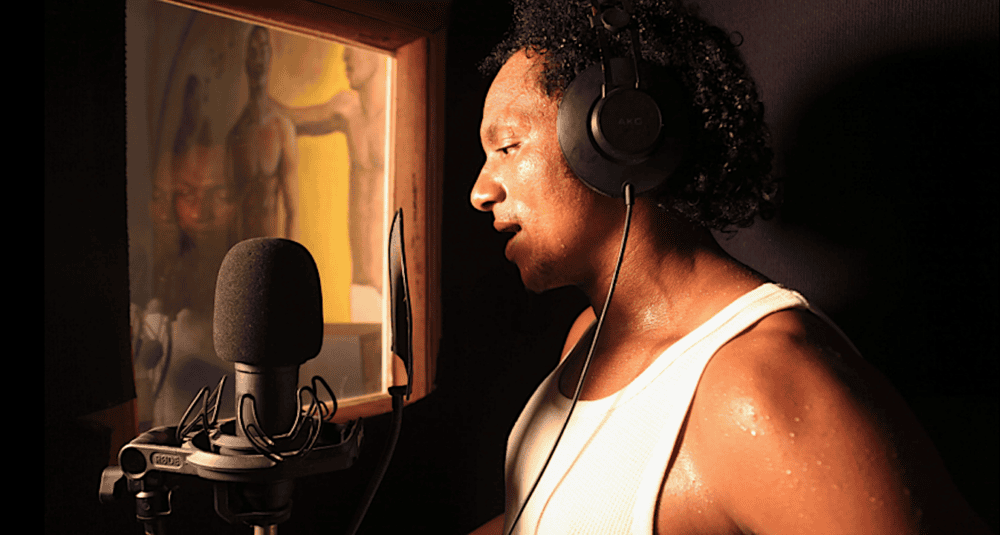
A young inmate known as Transporteur (Hamadou Daibou), was incarcerated for driving a get-away car with others who committed a robbery. His case was awaiting sentencing by the judge. He has the gift of a great voice and knows how to choreograph dance moves. He becomes a star in the prison and his musical talent and decency leads to a much shorter prison sentence than the 20 years originally requested by the prosecutor.
Jail Time Records was founded in 2018, when Dione Roach volunteered for a non-profit organization running events inside New Bell. She was part of an NGO and teaching art to the juvenile inmates at the prison. During a dance class for the prisoners, a crew of rappers took over the microphone and began freestyling. Impressed by their performance, she asked the prison authorities for permission to start up a studio. The powers that be were receptive and so Roach enlisted Steve Happi to run the studio as a producer and sound engineer.
According to Happi, he ended up in New Bell following a family argument over what should be done with his late father’s body. Amid the dispute, his aunt, a high court judge, allegedly arranged for him to be thrown into jail for killing his father. He was acquitted of the crime two years later, Jail Time Records says. In 2022, Happi, Roach and the prisoners released an album named “Jail Time Vol 1.” As is customary for Jail Time Records’ music, half the profit from the album’s sale went to the artists and the rest was reinvested into the label.

The film ends with an “in memoriam” sequence; a tribute to six prisoners who died while the Jail Time Records project has been running. New Bell Prison may appear to be endlessly bleak, but according to Happi, music provides the inmates with a “lantern for a brighter future. “Before that, they had the stubborn mentality: it’s them against the world,” he says. “It’s this instrument of resistance… where we can really share friendship, love and our voices can be heard,” Steve Happi, the former inmate who co-founded Jail Time Records, tells the BBC’s Talking Movies program. “We don’t think anymore about the four walls – we find the freedom.”