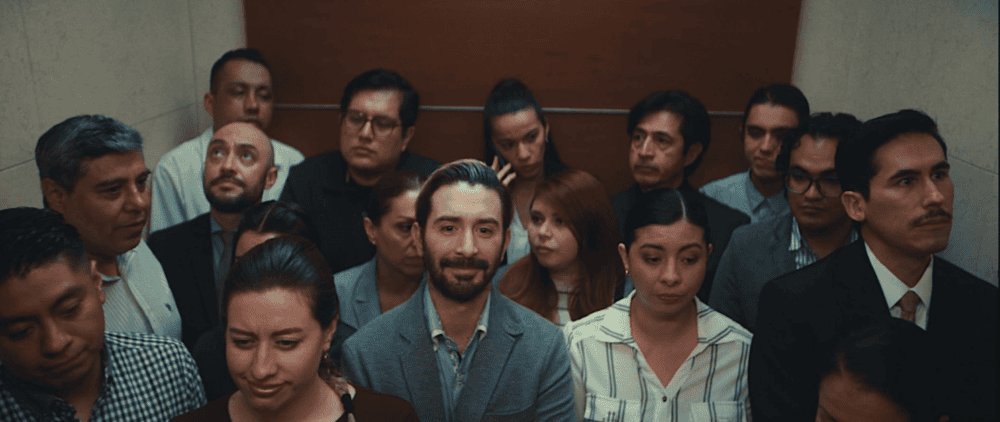
A rehab clinic for addicts may not seem like the usual setting for comedy, but Sobriedad, Me Estás Matando (Dear Sobriety, You’re Killing Me”), directed by Raúl Campos is an amusing romp of film with a dark underbelly of social criticism. Written by Octavio Hinojosa, Félix de Valdivia and Raúl Campos, “Sobriedad” is a sharp and unexpectedly tender story of addiction, privilege, and friendship. Centered around the character of Raffi (played by Octavio Hinojosa), we follow this 39-year-old man through his experiences as he arrives at Day 90 of sobriety in the rehabilitation center in México City.
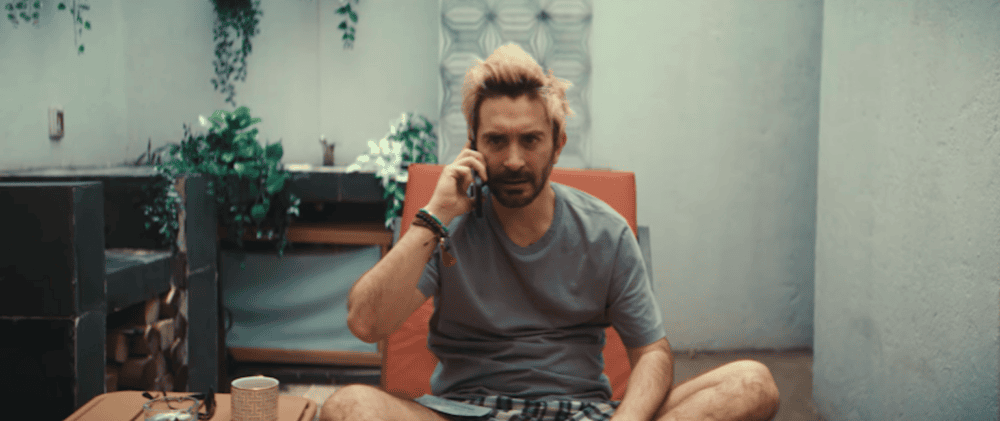
Raffi comes from a well-to-do family but, at some point, 17 years earlier, a traumatic event turned him into a good-for-nothing and a drug addict. Raffi feels that he has always been misunderstood and has developed coping strategies, even after five stays at rehabilitation centers with periods of sobriety and relapse. We see Raffi in the rehab center and his attempt to stay sober when released to the real world that seems to have no use for him. Sobriedad, Me Estás Matando is a wry tale about a good-for-nothing who needs a romantic reason to change his way of seeing himself. After playing at this year’s Hola Mexico Film Festival in Los Angeles, we can see the movie streaming on Hulu.

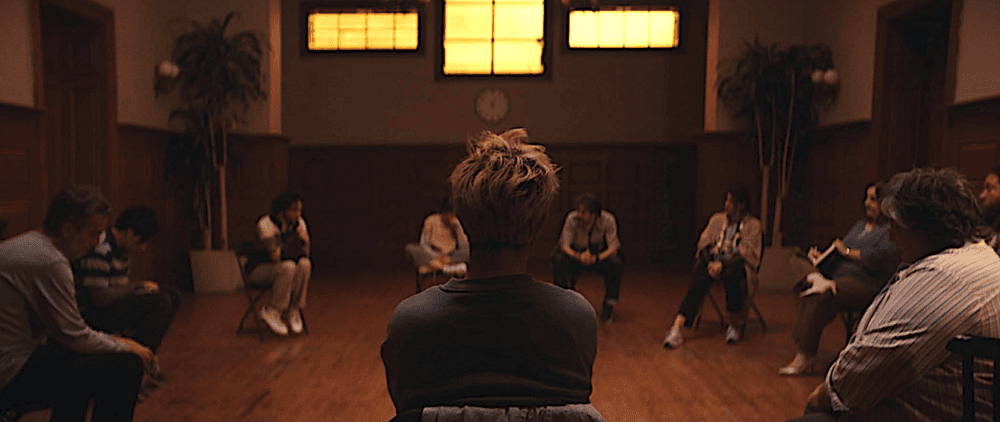
We first meet Raffi in a group session in the rehab center in a group sharing session where he provides the most outlandish account of the events in his life that led him to drug addiction, which includes incest and bestiality. He is charismatic and convincing, even though he is making up a story for the others. You might say that Raffi is used to working the system for his own benefit. He teases his overweight rehab roommate, who says he was anorexic and but is now bulimic. Raffi gets called into the rehab clinic’s office where the head explains to him that he is being kicked out. He will have to manage on his own. Although Raffi begs to stay longer, he is told that he has to go and he is not sure if he can return to anything resembling an ordinary life.
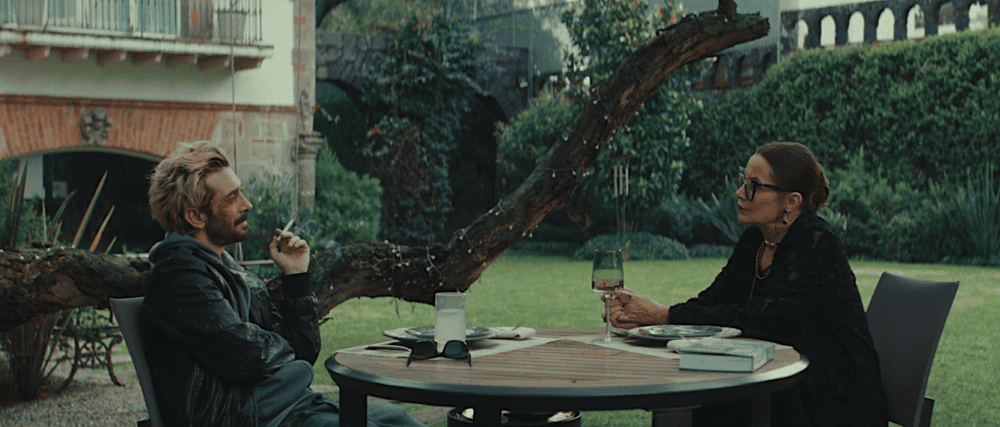
Raffi, nearly forty and defiant of the system, has cycled through rehab countless times. After being kicked out of the clinic in his fifth attempt to get clean, he is forced to return to the person he despises most: his mother. His mother Emilia (Mónica Dionne) is a piece of work herself. She is used to living a comfortable upper-middle class life and spends her time painting seascapes which seem to sell. She has no love of Raffi, who she sees as a complete failure. After two days of putting up with Raffi’s behavior, she kicks him out. But Raffi does manage to take money out of her purse when she is not paying attention. His father (Hugo Stiglitz) who is a successful businessman refuses to help him out any more financially. When he visits his older brother who works with his father in the same business, Raffi acts impertinent and comments about his wife’s breast enhancements – only to be told to leave. The acerbic mother-son relationship has echoes of Alexander Payne’s “The Holdovers.”
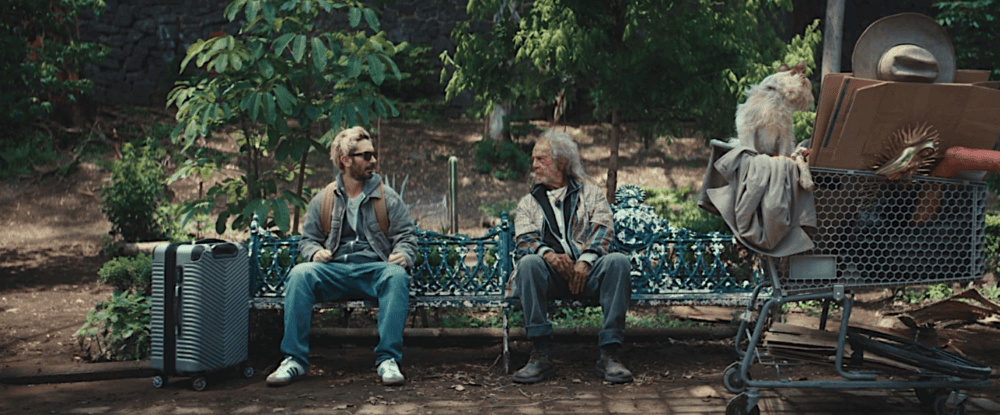
Soon we see Raffi wandering the streets with his suitcase. He encounters an old disheveled homeless man who gives him his dog to care for. He falls asleep from exhaustion only to find his suitcase and the dog missing. No one will answer his phone calls. With nowhere else to go, Raffi heads to the apartment of Trino (Alfonso Borbolla), the only friend who has not given up on him.
Trino reluctantly takes him in. Raffi has a soft spot for Raffi, as Raffi was the only person he knew from his time in high school who was not judgmental about his being gay. It turns out that Trino has done well for himself with a fine apartment in an up-scale barrio of Mexico City and a high-level management job with a financial investment firm. Trino confesses that he still likes Raffi and had a crush on him romantically in high school. Raffi is not interested sexually in Trino but he is happy to sleep on the sofa in Trino’s apartment. Trino is extremely generous and lets Raffi borrow his clothes and raid his refrigerator.
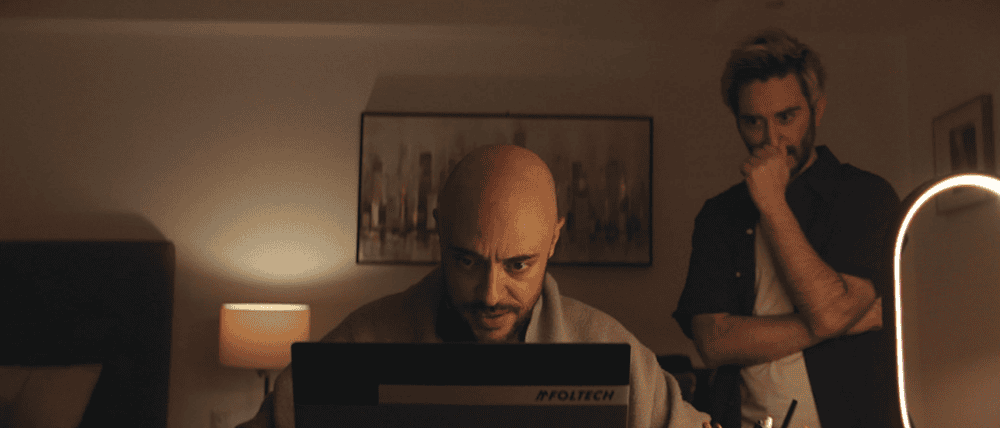
In the morning, he discovers Simón (Hugo Catalan) in the kitchen making breakfast. Simon is an aerobics instructor at a local gym and it is clear that Simón is Trino’s gay boyfriend. Simón is worried that Raffi might be trying to rekindle a long-over interest in Trino. After he comes home from work, Trino rehashes old memories with Raffi, suggesting that he needs to get a job and offers him the possibility of working at the firm where he is a manager. Trino treats Raffi to dinner in a restaurant and there Raffi runs into a man who sold Raffi’s parents a fine piano, leaving penniless Raffi with his calling card in case he wants to purchase another piano. Raffi catches the eye of the man’s attractive wife Daniela (Elsy Reyes) – a woman who he will later visit.
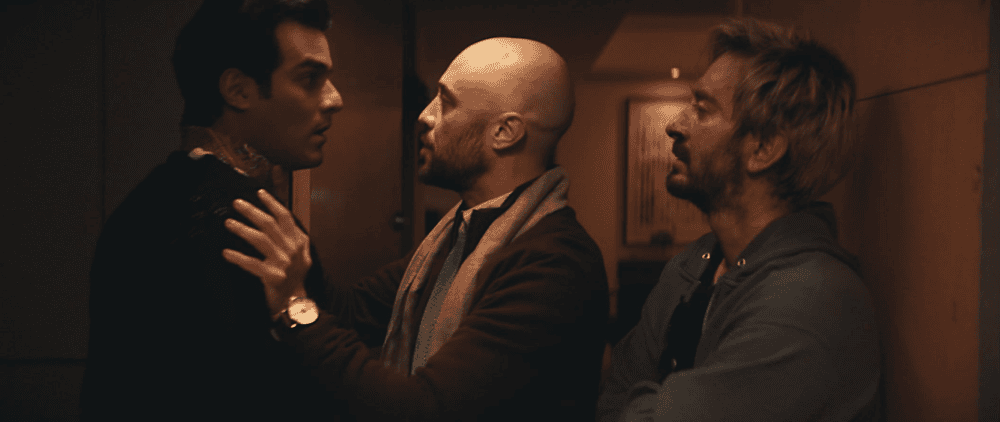
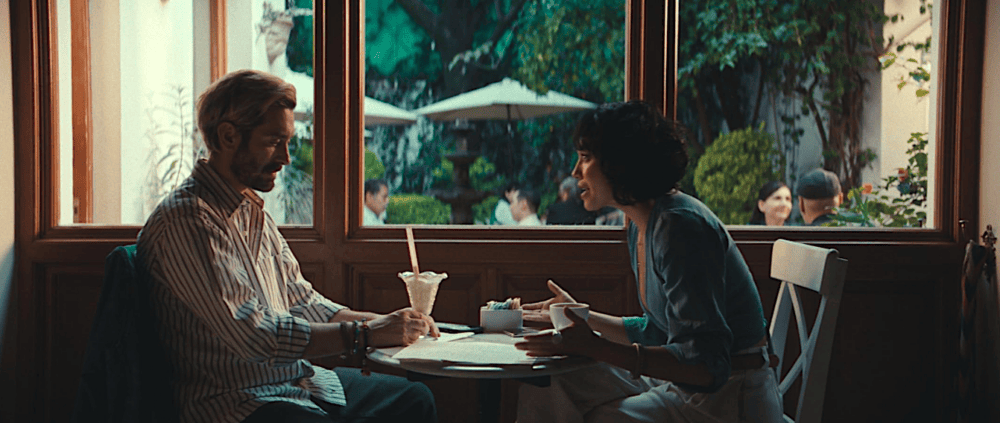
Trino suggests that Raffi contact Inés (Maya Zapata), his former high-school crush, who Raffi found unapproachable. Fearing rejection, Raffi is reluctant to do anything at all, but after Trino leaves her mobile number on the refrigerator door, Raffi thinks about contacting her after so many years have passed. When he finally hears her voice on the phone, he Is thrilled that she is willing to meet him in a coffee shop.
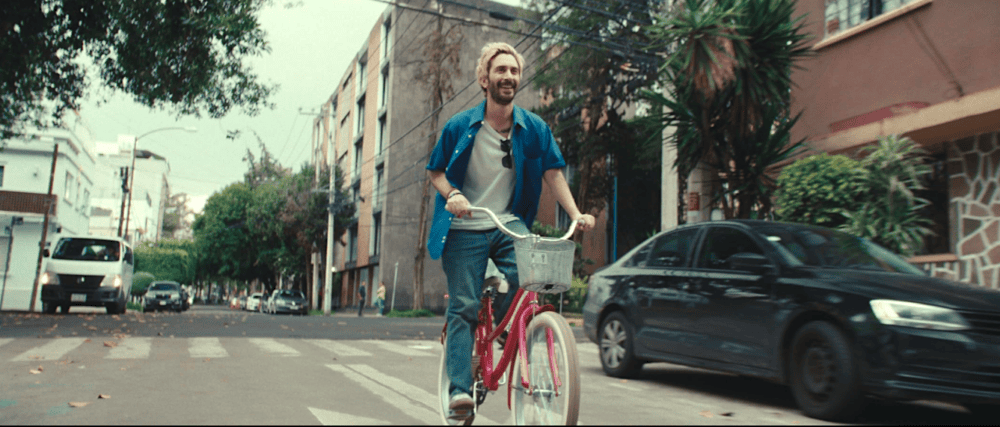
He takes the pink girl bicycle of Trino’s niece and rides to the place where he can talk to Inez. He discovers that she is recently divorced with two young daughters and in the process of moving to a different apartment. Raffi feels his old romantic interest re-kindled even as he confesses to her his episodes of drug addiction and his current sobriety. Inés is civil but brushes off any encouragement of Raffi for a renewed romantic interest.
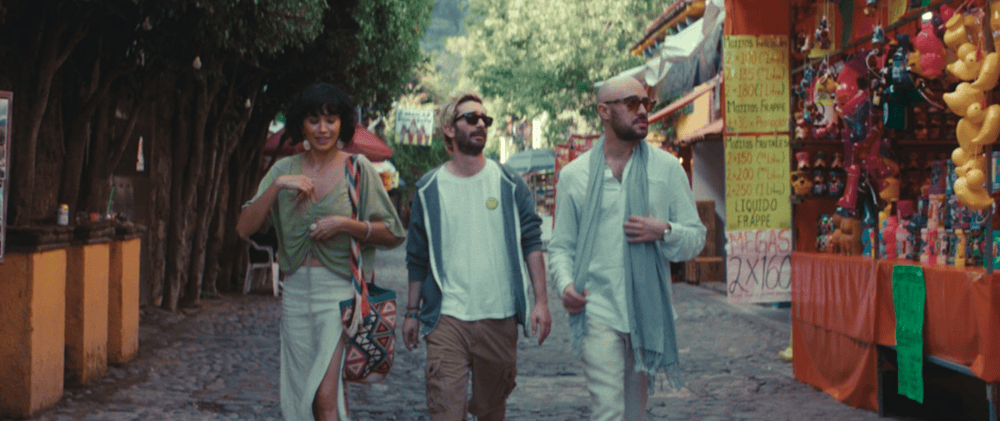
At this point, the main plot points are laid out and film loses its satiric edge and veers into standard romantic comedy. Meanwhile, the days of Raffi’s sobriety move slowly forward but speed up once Raffi meets up with Inés. Raffi vows to win her over, even if it means getting a regular job, growing up, and finally taking his recovery seriously. Raffi is a privileged man who has never really grown up and it is hard to see him as more than an insecure clown. But Raffi’s charisma (as played by Octavio Hinojosa) begins to falter as we learn more about a woman named Laura (Lucía Gomez-Robledo) who had once had a significant impact on Raffi and his life. Raffi keeps saying that he wants to go to another city in México to see her. He tries to get Trino and Inés to go with him.

Raffi has always believed himself to be extraordinary and once dreamed of a career as a photographer. All that is in the distant past for Raffi before he disappeared to Shanghai, China, and there got himself into serious drug abuse. The challenge of sobriety for Raffi hinges on his ability to think in different terms about the present and the future.
On a later visit to his acid-tongued mother, he learns that she never wanted to have him and considered an abortion. She berates him as a failure and chews up his sense of exceptionalism and spits him out. Can Raffi reinvent himself after so many years? What is holding him back? He has never looked at himself and his behavior from an outside perspective. In the third act of the film, we discover the underlying trauma that shaped Raffi and his discovery of the importance of just being ordinary.