4-18-26
Jimmy Steinfeldt: How often do you clean your lens?
Jessie Chaney: Not enough to be honest (laughs). Every time I take it out I need to be reminded more.
JS: What photographers influenced you?
JC: Jeff Wall, William Eggleston, Steven Shur, Robert Frank, Dorothea Lange. Taryn Simon. I also love many classic German photographers.
JS: Who besides photographers influenced your photography?
JC: The surrealists. My dad took us to many art museums. I love Salvador Dali, Man Ray, Francis Bacon. I got into photography because of a painting. Jeff Wall studied the fine art of painting and then applied that into photography.
JS: What was your first camera?
JC: My first camera was a Leica from my father, which I cherish.
JS: What cameras are you using today?
JC: I’m alternating between my Leica film camera for point and shoot and my Canon 5D which I travel with a lot. I bought the new Leica M6 film camera which I’m having a lot of fun with. Exploring a new way of shooting.
JS: I’m a Leica ambassador.
JC: How cool is that. You should do a class at Leica in Los Angeles. I’d come to that.
JS: I’ll be giving a lecture, doing a Master class and giving a tour in downtown Minneapolis in September. I’ll be showing all the cool locations where I did photo shoots. I spent two weeks in India years ago. Tell me about your time in India
JC: My time in India was very developmental for me. I went there for yoga teacher training which was beautiful. On one of the last days of training we went to the Beatles ashram where they learned Transcendental Meditation which I practice. I went there thinking it was going to be beautifully kept and serene almost like a museum. I was blown away how overgrown and run down it was. Graffiti and trash. I got so charged up it inspired my book the MEMORY OF A SPACE. The light on the day I was at the ashram was so beautiful. It was shining through these dirty rusty windows and that’s where the series of photos started. There’s beauty in unexpected places. India has a special place in my heart.
JS: Tell me about the process of doing your book?
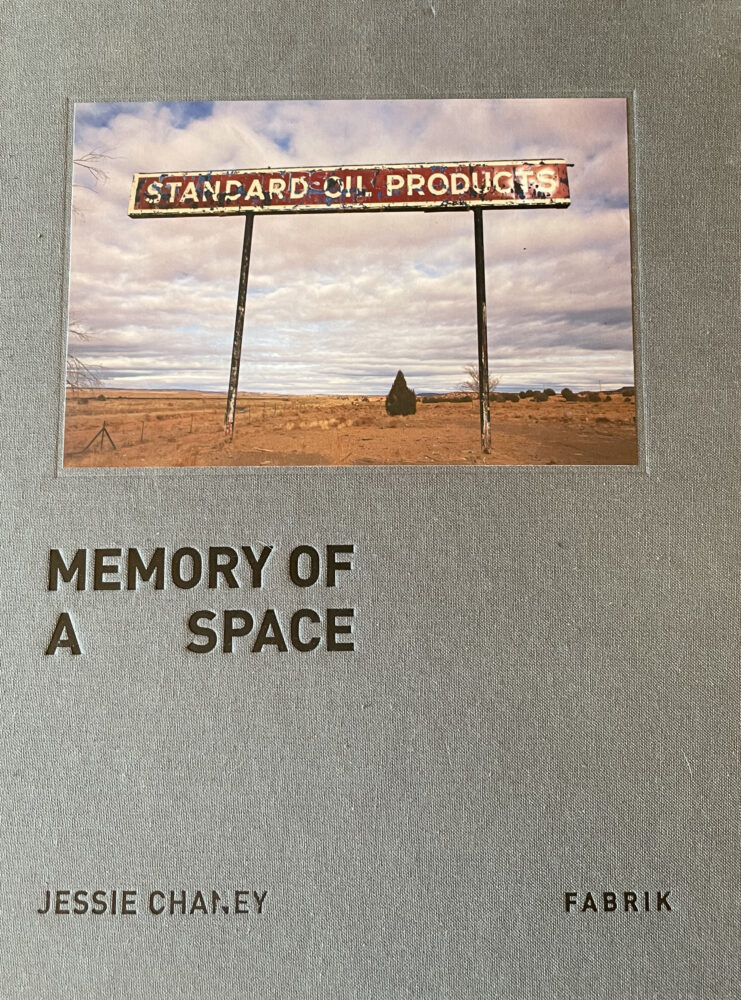
JC: It came about during COVID. I was going through a trying time. I had lost a very dear friend. Another friend of mine said to me out of great grief can come great creativity. I didn’t believe that was possible until a week later when I realized I wanted to make this book. The book is dedicated to my friend who passed and I put my body and soul into it. I worked with my gallery and representative Chris Davies. He is a book designer and we had a lot of fun collaborating. It was a great project during a challenging time in the world.
JS: Have you been a member of the ASMP or APA? ASMP is the American Society of Media Photographers and was put together by World War 2 photographers to protect their copyrights. I’ve been a member because so much of my career was shooting for magazines and newspapers. APA is the American Photographic Artists who shoot photos mostly for commercial use.
JC: My degree is in photojournalism and I love to tell stories but I primarily do Fine Art photography. A friend of mine calls me a documentarian of the mystic.
JS: We both photographed PRADA PRADA in Marfa, Texas. What does your photo mean to you?
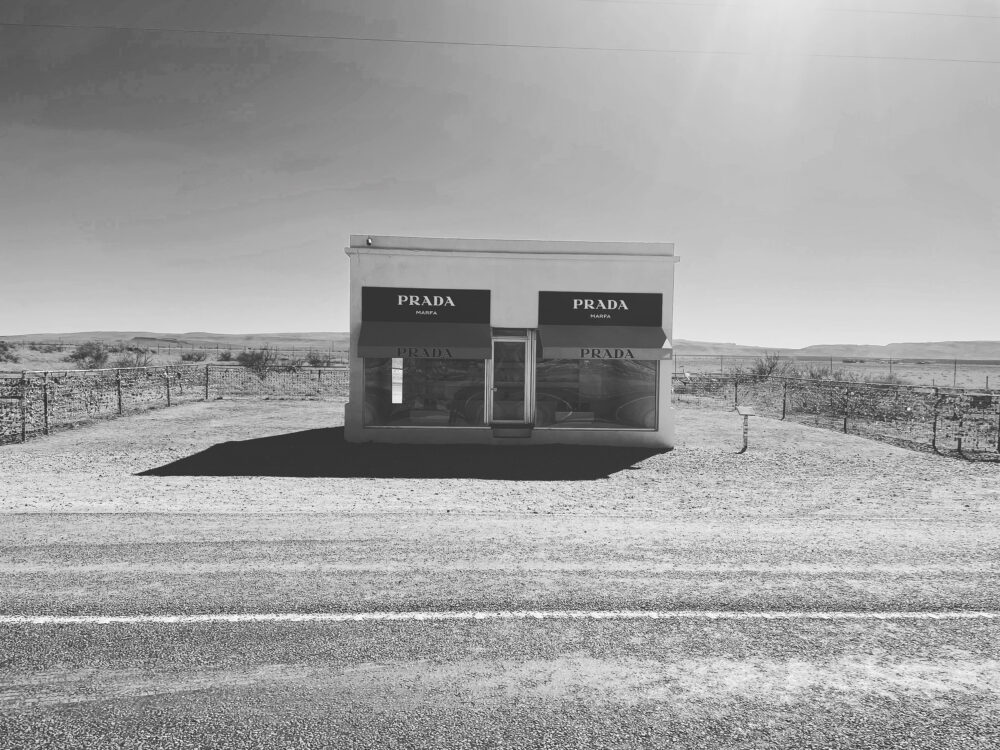
JC: I went on a road trip through Texas two years ago. It was a really beautiful experience and I wanted to incorporate PRADA PRADA as part of the journey. It’s a landmark that draws people to a really cool artist community. It has become a bit Instagram-able, but I love the permanent/impermanance of it. It’s a store out in the middle of nowhere and I love the artist who created it Elmgreen & Dragset. It’s kind of a comment on Pop culture and materialism. I think it’s great. What do you think of it?
JS: It screams “Photograph me.” Much of my personal photography is of vacant or abandoned buildings in the deserts of the southwest so I very much enjoyed photographing PRADA PRADA. Tell me about your portraits.
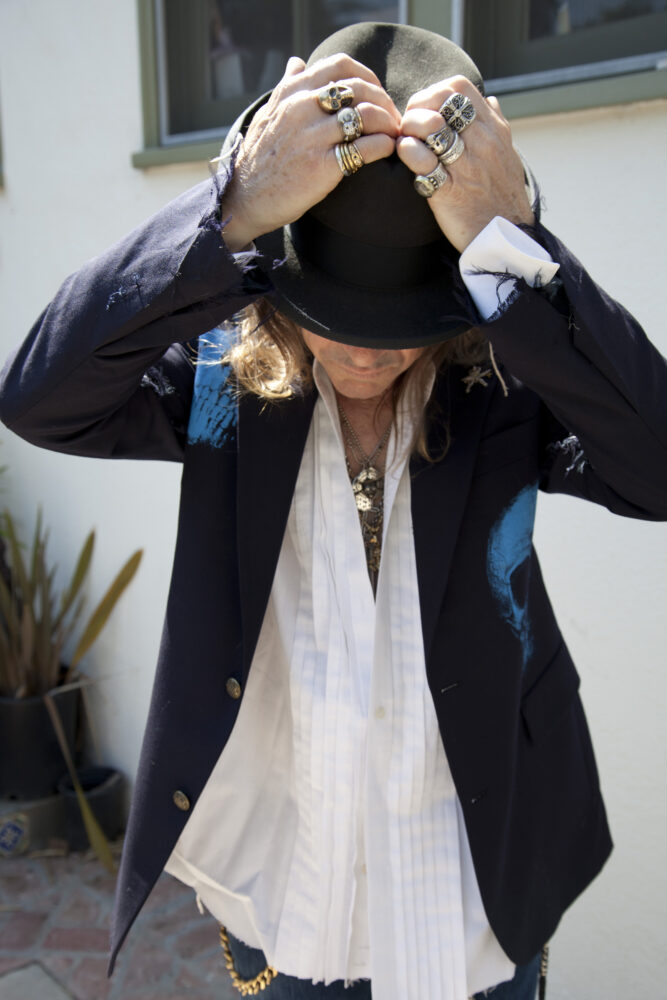
JC: I did get to photograph musicians early on and that was an inspiration. In portraiture you are trying to capture the essence of their personality and their energy. The photos I did of my dad mean a lot to me. I shot them when he was on tour with the band The Suburbs. I had just gotten into photography and I did all of my own film. Then later I got to photograph the Rolling Stones with Keith whipping his scarf around his neck and my picking the right moment to shoot. Those experiences shaped my early lens as an artist. My degree in photojournalism was important at that time and I was shooting a lot of portraits then. I used to shoot for the newspaper and did different thesis projects shooting people. Maybe I’ll come back to it at some point. For some years now I’ve been trying to capture the energy of the unique places I’ve been to.
JS: Do you find that the viewer of your photographs can see themselves in the scene? Perhaps finding these types of photographs more relatable than when they see a portrait?
JC: Yes, everyone has a different interpretation of these photographs. They are able to make their own connection. These photographs allow each person to have their own experience when they see them.
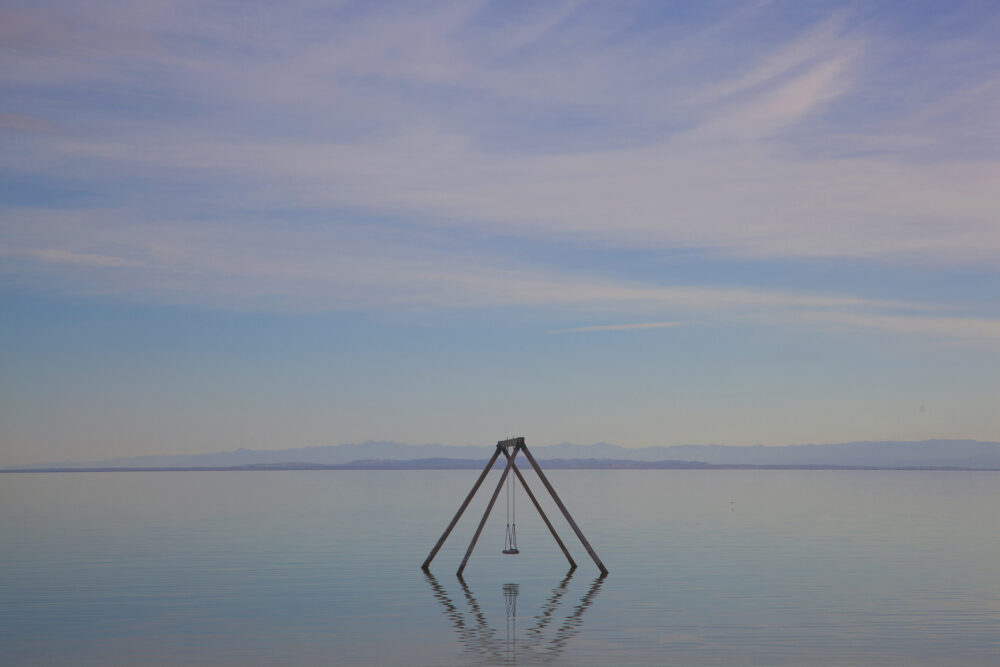
JS: How do you prepare for exhibits and showcases?
JC: I prepare what I think will be appropriate for the audience where I’m exhibiting. Usually inspired by my most recent series. Americana, Memory of Space, desert, and wide-open spaces translate well in Europe because it’s such a different context and climate. Months of thought and prep goes into an exhibit. Conversations with the gallery, curation, preparing my presentation and how you frame and display the work.
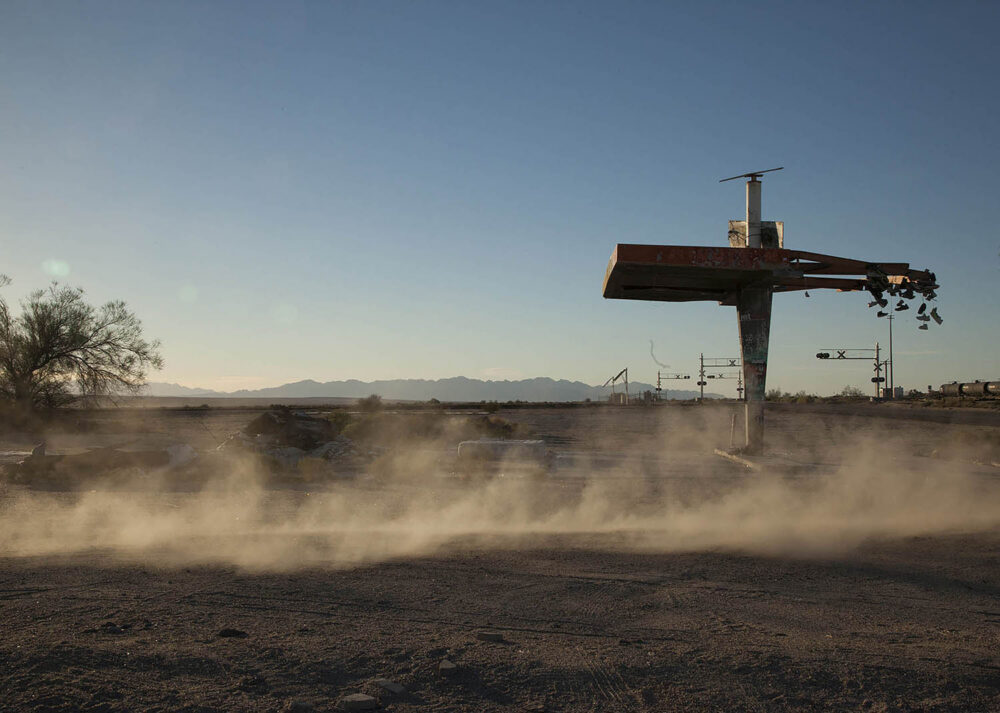
JS: How do you combine the creative side of photography with the business side?
JC: Tracy Evans said “Artists need to understand business and the world and the market. Know your own value and how it fits in the market.” I do a lot of art fairs and shows now and it’s been successful for me. I moved a bit away from commercial work. You can make great money but it’s not as fulfilling. When I made the leap of doing only Fine Art photography, I met the universe energetically and this is the direction I like pursuing.
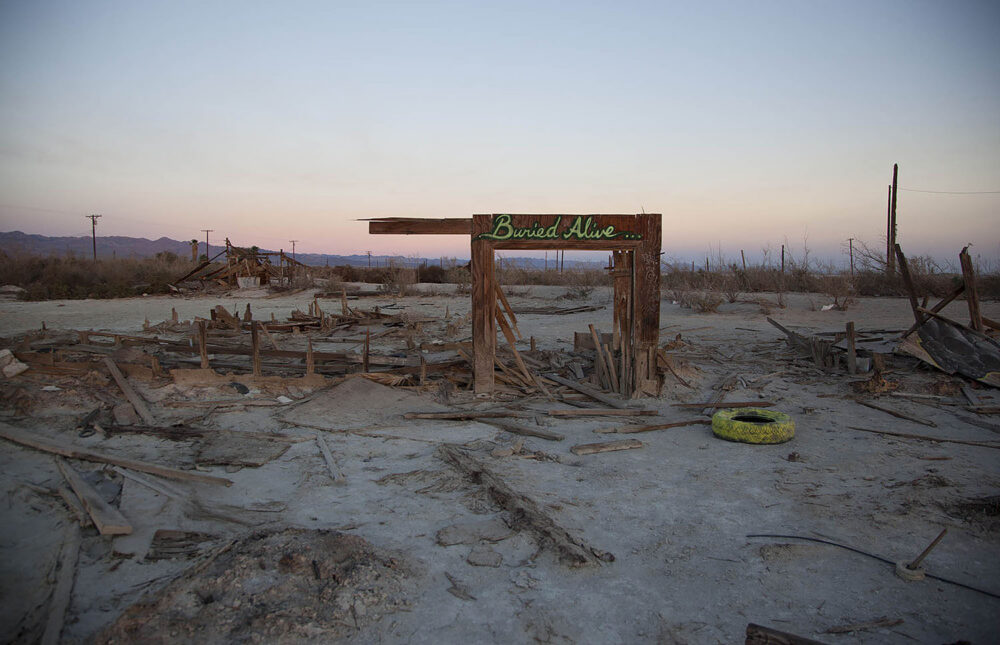
JS: What’s coming up next for Jessie Chaney?
JC: I have a new series I’m going to be working on. It’s going to be called Windows. I’m channeling some cosmic energy right now. And hopefully a new book.
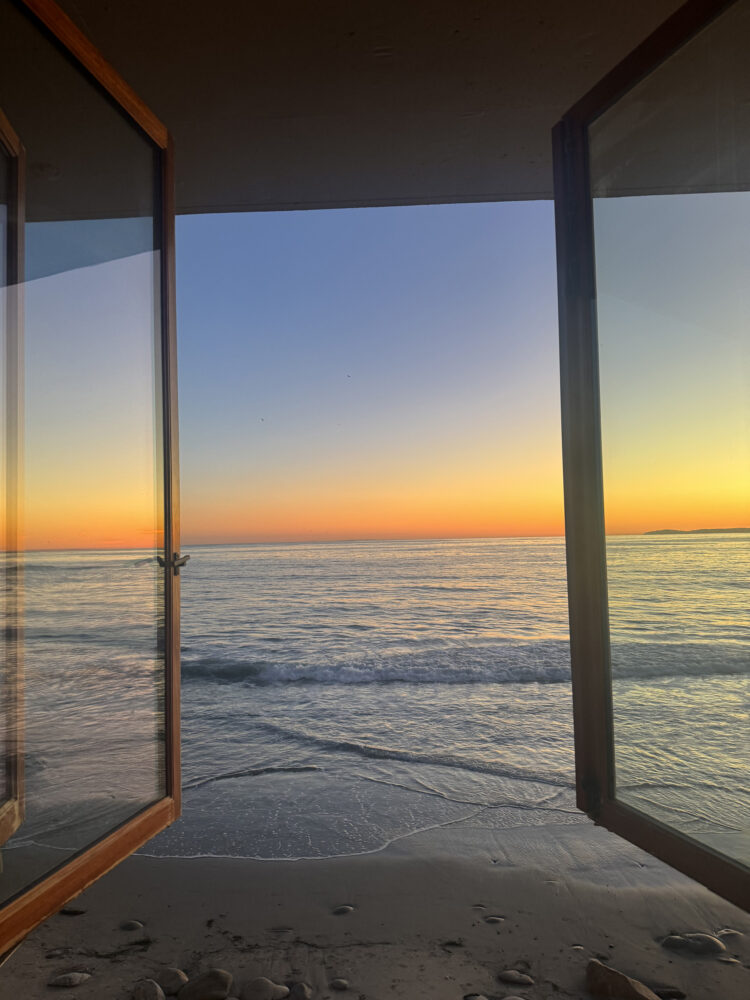
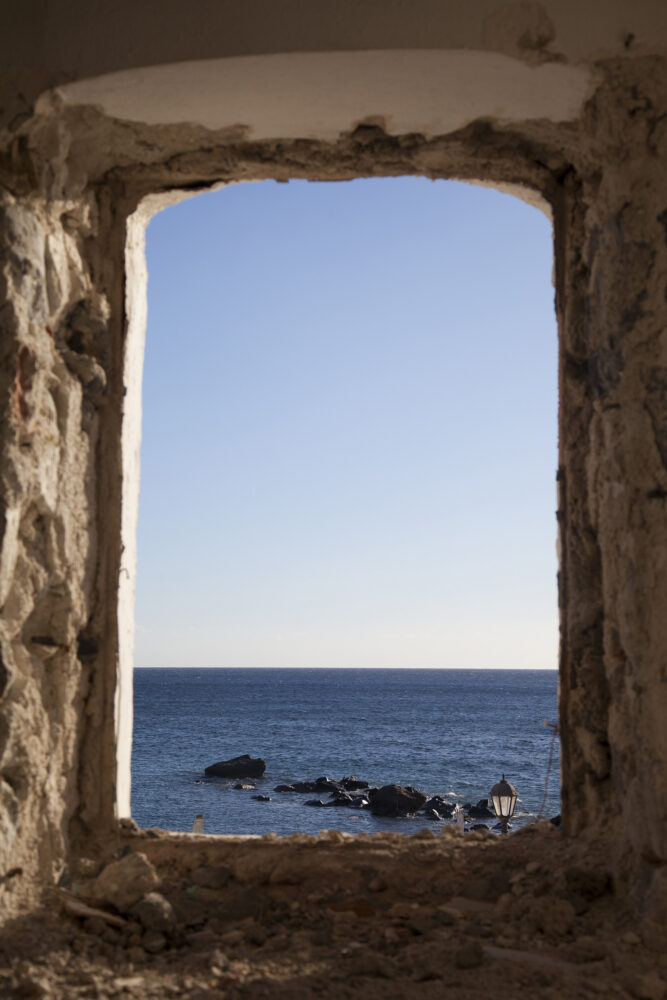
JS: What’s the best way for people to learn more about your work?
JC: Come see me in person at one of my exhibit’s or shows. I love in-person contact.
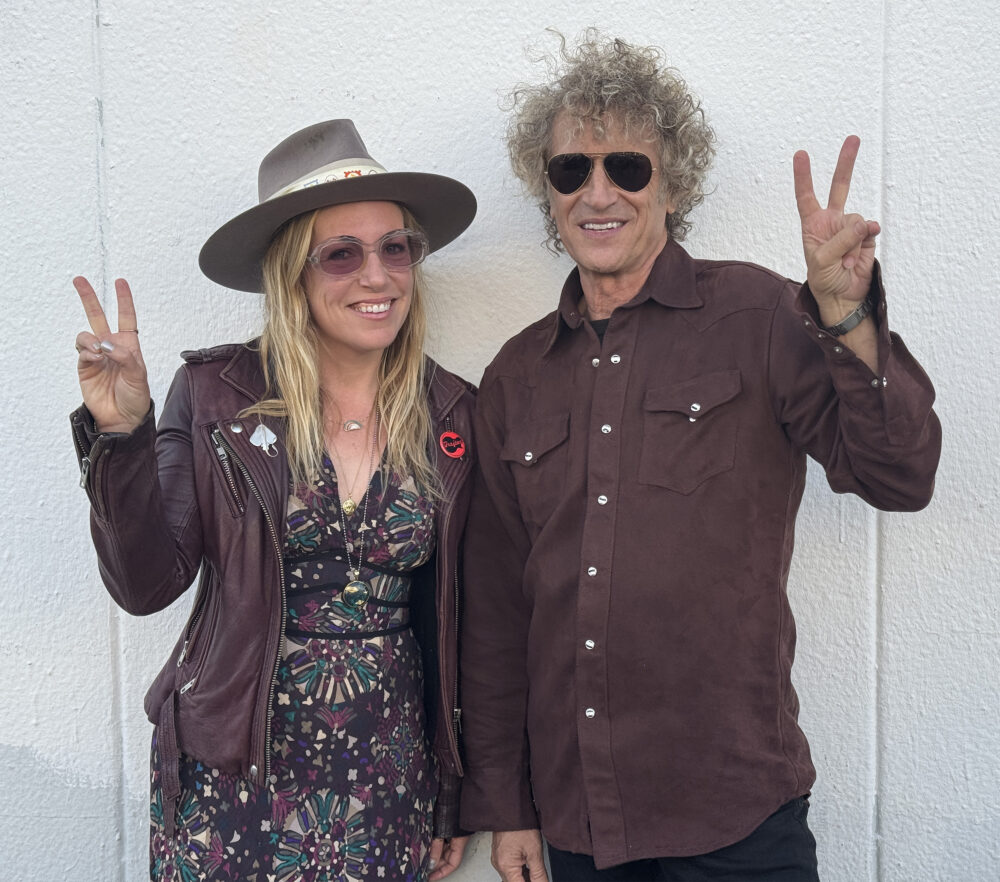
For more info jessiechaney.com @jessiechaneyphoto