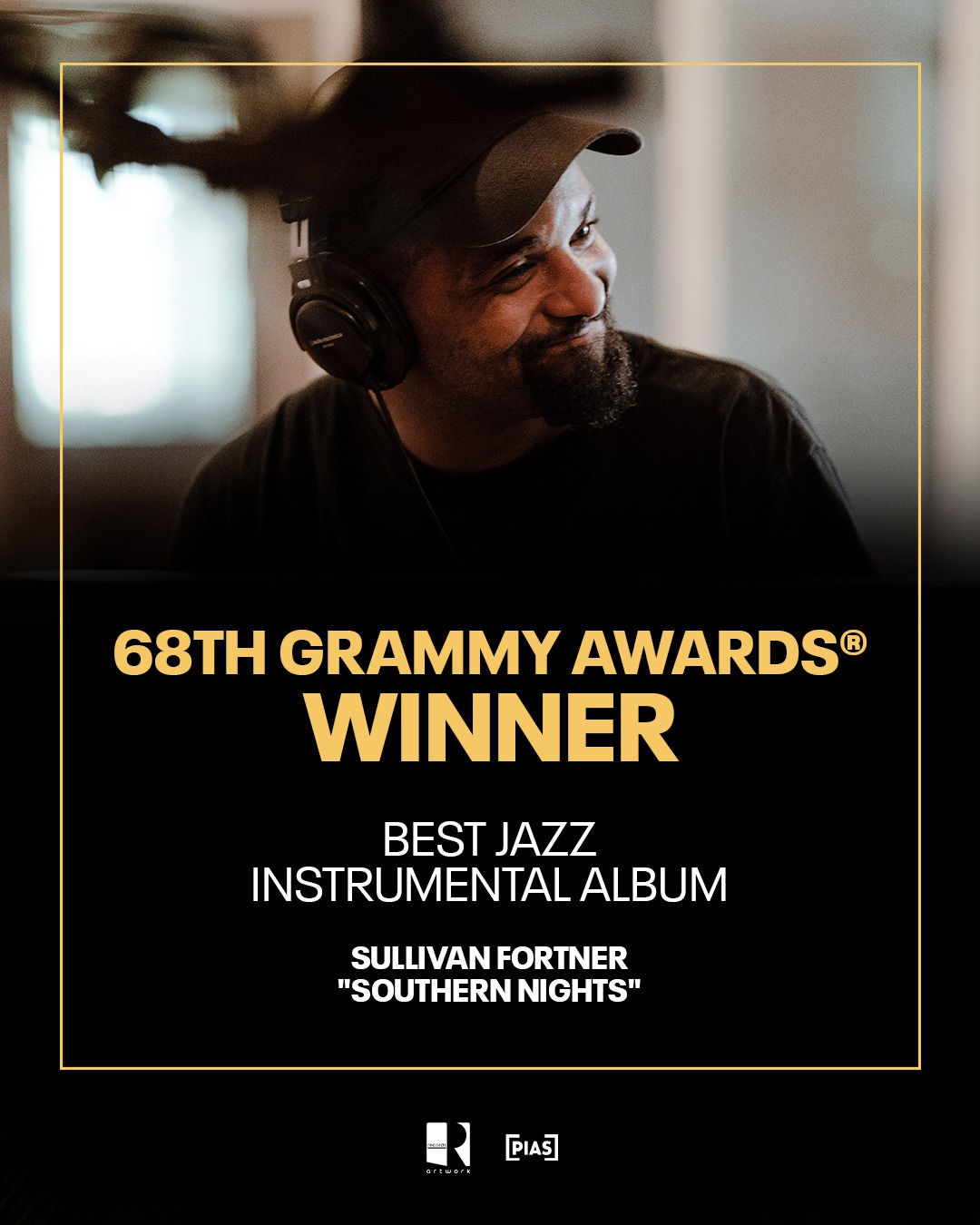
At UCLA’s intimate venue, Fortner and his talented band transformed performance into pure musical conversation and a rare gift for the audience.
By John Lavitt
Los Angeles, CA (The Hollywood Times) 05/04/26
At The Nimoy, the Sullivan Fortner Trio offered something far deeper than a concert. It was a living, breathing expression of devotion to jazz — an experience that felt less like a performance for an audience and more like an immersion in the private language of three master musicians speaking fluently with one another.
Pianist Sullivan Fortner, joined by bassist Tyrone Allen II and drummer Kayvon Gordon, approached the evening with a reverence that is increasingly rare. From the first notes, it was clear Fortner was not playing to impress. He was playing because he had to—because the music demanded it. That distinction made all the difference.
There is a famous sentiment about Thelonious Monk: he did not play for the audience but for his love of the music itself. Watching Fortner at the piano, that same spirit was unmistakable. He disappeared into the keys, fully absorbed in the interplay of rhythm, harmony, and improvisation. At times, his body seemed to follow the music rather than lead it, as if he were discovering each phrase in real time with his bandmates.
What unfolded onstage was less a setlist than a conversation — layered, spontaneous, and profoundly alive. At times, you wondered whether Sullivan Fortner would burst with joy as he heard the sounds his fingers made. Indeed, he would cry out with a guttural expression of primitive approval, like an ancient man around one of the first fires.
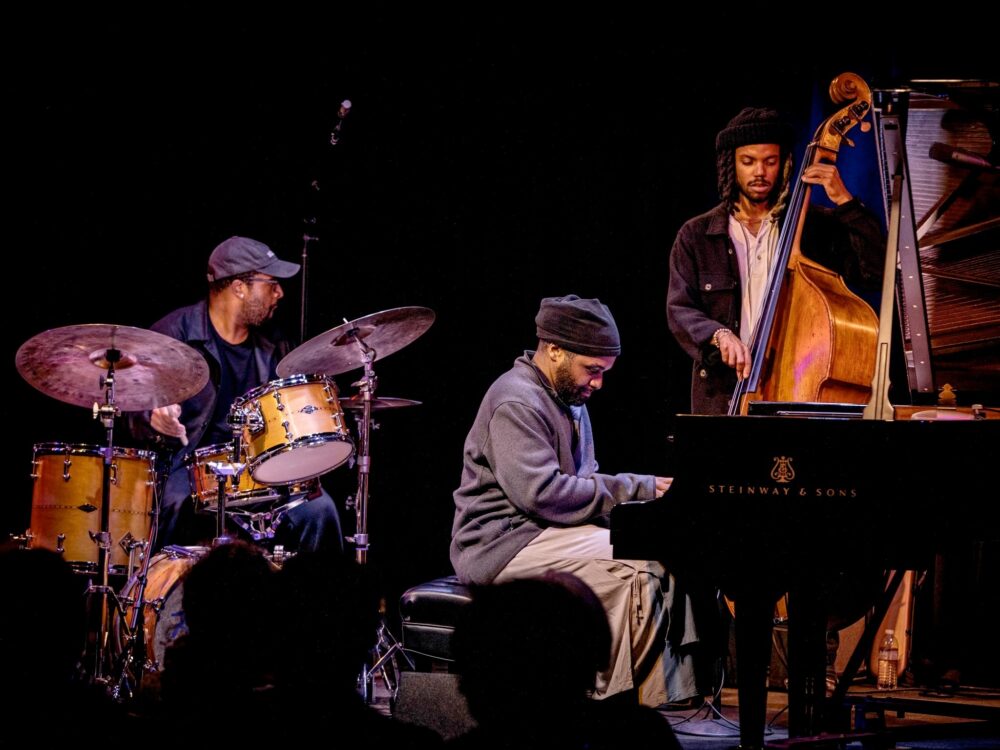
Partnering with such a genius, Allen’s bass offered both grounding and counterpoint, his lines weaving in and out of Fortner’s explorations with effortless precision. Gordon, meanwhile, elevated the dialogue with dynamic sensitivity, shifting textures and accents in a way that felt both unpredictable and perfectly inevitable. Fortner challenged both men to find the deepest expressions of their souls on that stage and to join him in a wondrous creation.
The trio’s chemistry transformed complexity into clarity. Dense harmonic passages gave way to moments of startling simplicity, then built back into intricate rhythmic exchanges. The magic lived in these transitions — in the musicians’ trust, in the willingness to listen as deeply as they played, and in the gift of sharing their artistry with an audience.
For the audience, the experience was almost voyeuristic. We were not being entertained in the conventional sense; we were witnessing something intimate and unguarded. The music did not reach outward so much as it unfolded inward, and we were fortunate enough to be present as it happened.
By the end of the evening, what remained was not only admiration for technical brilliance but also a sense of having encountered something genuine. The Sullivan Fortner Trio did not simply perform jazz — they embodied it. In doing so, they delivered one of the finest jazz concerts I have ever seen, a reminder that, at its highest level, music is not about the audience at all. It is about the love of the creative instinct and the realization of its deepest expression.