The film opens with the sound of tinkling of chimes and slow mood music. I see bodies in movement, a graceful arm here, a head swaying with eyes closed. From this dance or actors studio we move to a living room with an adult couple and a young adult daughter, and a small brown dog relaxing among the movement.
Soon we are in documentary interview mode. The interviewer is Julie, and her subjects are her mother and father.
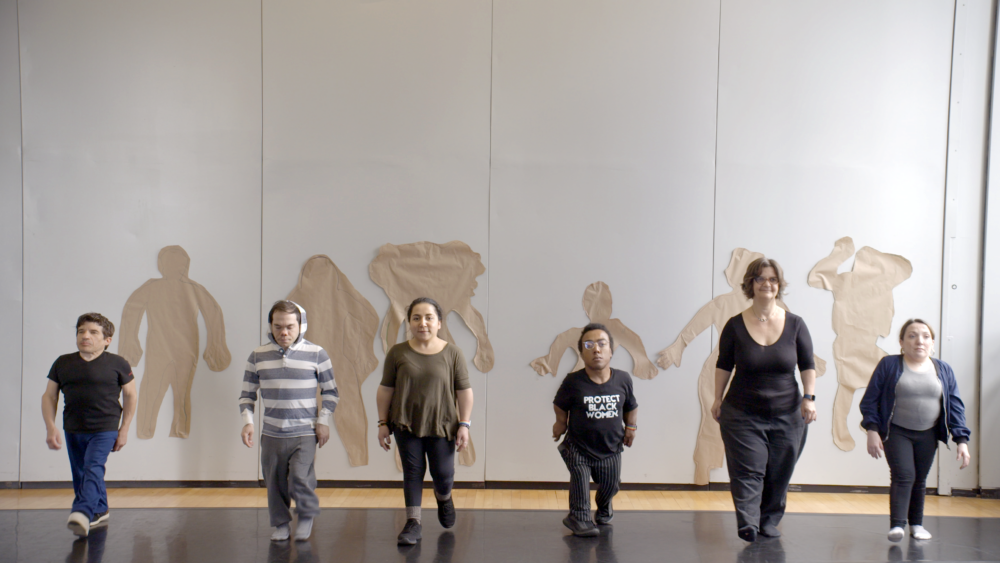
In The Tallest Dwarf, embodiment is not a theme layered on top of the story. It is the story. The film returns again and again to compact bodies in smooth motion. Not as spectacle, but as ownership and expression. Julie Forrest Wyman, director, producer, and participant in the film, begins with a question: Are there people who look like me out there in the world?
Julie is a five foot tall adult, with proportionally shorter arms and legs. She felt she did not fully fit in with either average-height peers or those within the Little People community which identify members as 4’10” or shorter. She is built like her father and his mother.
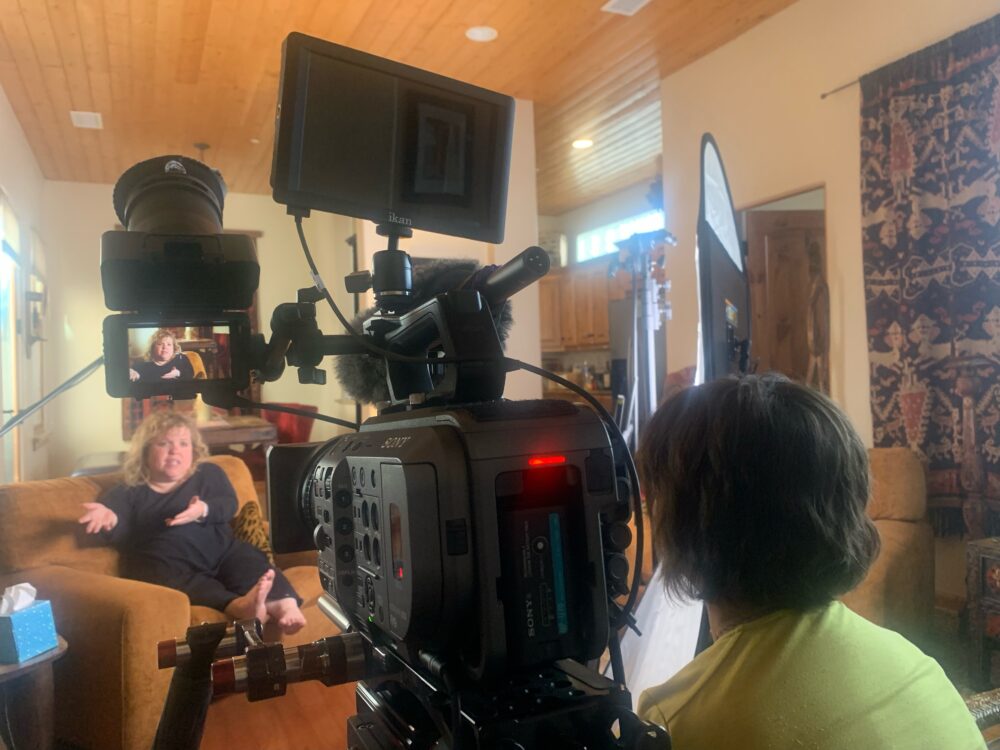
In the interview scene, Julie’s father mirrors her proportions. They stand side by side, studying each other, measuring difference and similarity. Comparing themselves to Da Vinci’s Vitruvian Man which is proportion, idealized. Julie and her father’s bodies are similar, but their interpretations are not. Her parents insist there was never a problem when she was growing up. They saw her as a healthy baby girl. Julie presses gently but persistently. Does it have to be a problem to have a name?
From that family tension, the film expands outward into community.
At the Little People of America conference, children and adults gather, socialize, and dance. The room is full, kinetic, ordinary and extraordinary at once. There is also the Dwarf Artists Coalition, made up of performers, thinkers, writers, movers. Julie joins workshops such as “How We Look,” where the act of being seen is interrogated and reclaimed.
One member of the community now stewards her late husband’s collection of historic images of dwarfs in art — painting, photography, spectacle, and sports. These vintage images are unearthed from archives assembled and reviewed by the artists. Instead of leaving those figures frozen as objects of curiosity, the performers select images that speak to them and give them voice. They imagine interior lives. They write dialogue. They perform possibility. What was once framed as freakish becomes poignant, funny, layered with desire and agency.
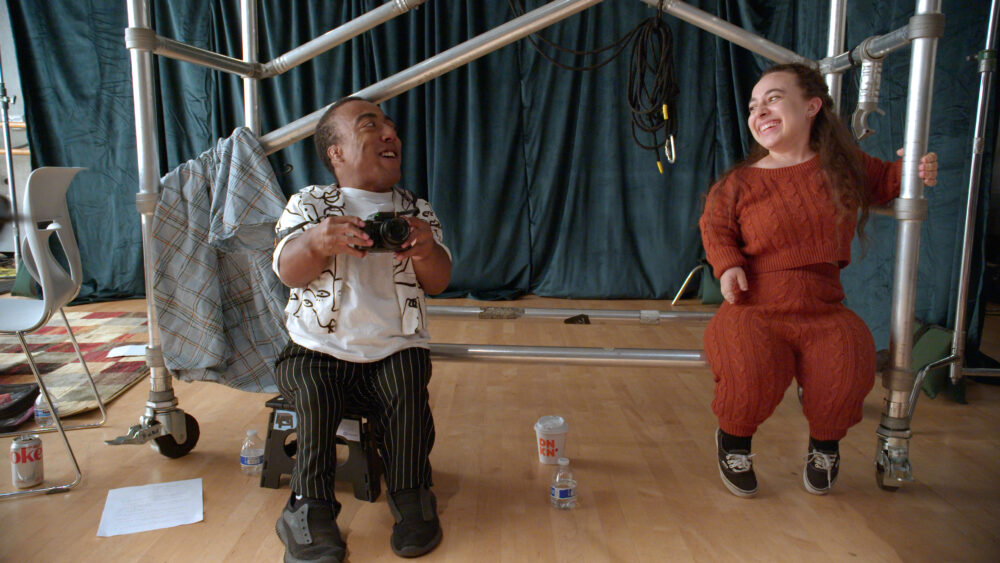
It is one of the most powerful sections of the film.
Throughout the film, movement recurs. A participant describes “repetitive movement that feels liberating.” In another segments a person states, “I’m not looking to be fixed.”
The documentary also steps carefully into medical history, pituitary growth hormones, synthetic interventions, and the contemporary push toward pharmaceutical height modification. Without becoming didactic, the film raises the shadow of eugenics and asks who decides which bodies need altering.
Importantly, Julie does not position herself as a detached observer. Bringing a camera into the little people community is fraught. She acknowledges the delicacy. She is both insider and outsider. Julie is someone who passes in certain contexts, who can rent a car without pedal extensions, yet who carries the lived experience of being called names as a child. That tension gives the film its charge.
Ownership becomes the through line. Who gets to define the body? The parent? The doctor? The pharmaceutical company? The archive? Or the person inhabiting it?
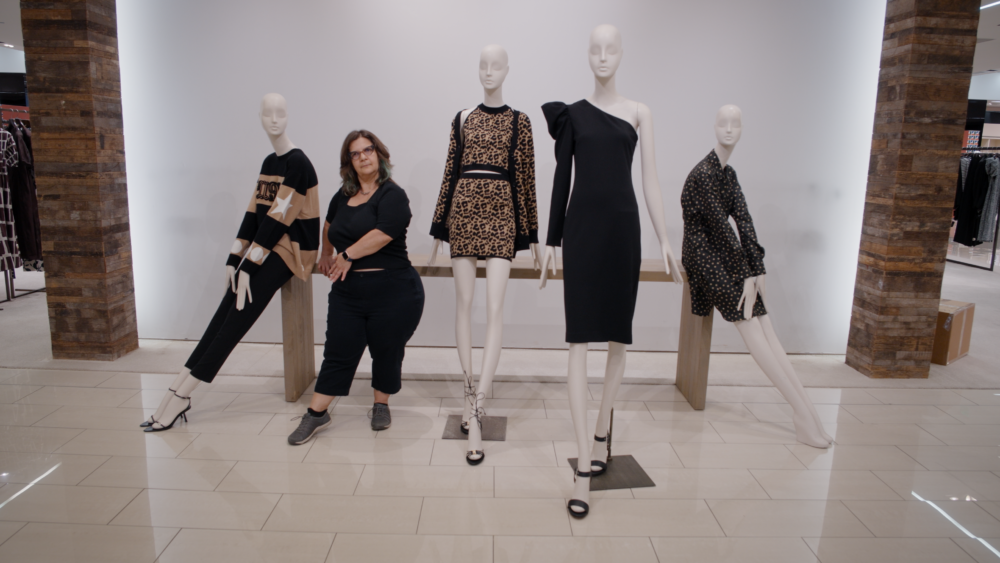
Toward the end of the workshop, the leader, Sofiya Cheyenne says, “I’m excited about making art. Art that is by us, for us, and of us.” It feels like a manifesto.
The film closes as it opened — with bodies in movement.
And back to the question that initiated this exploration with, What am I? That question carries Julie into the dwarf community. Her family resists labeling. She continues her search. In the end, she receives a clear medical identification. But what she gains is stronger than diagnosis. She gains community, language, and authorship. She gains a collective voice that insists on being seen on its own terms, while remaining open to change.
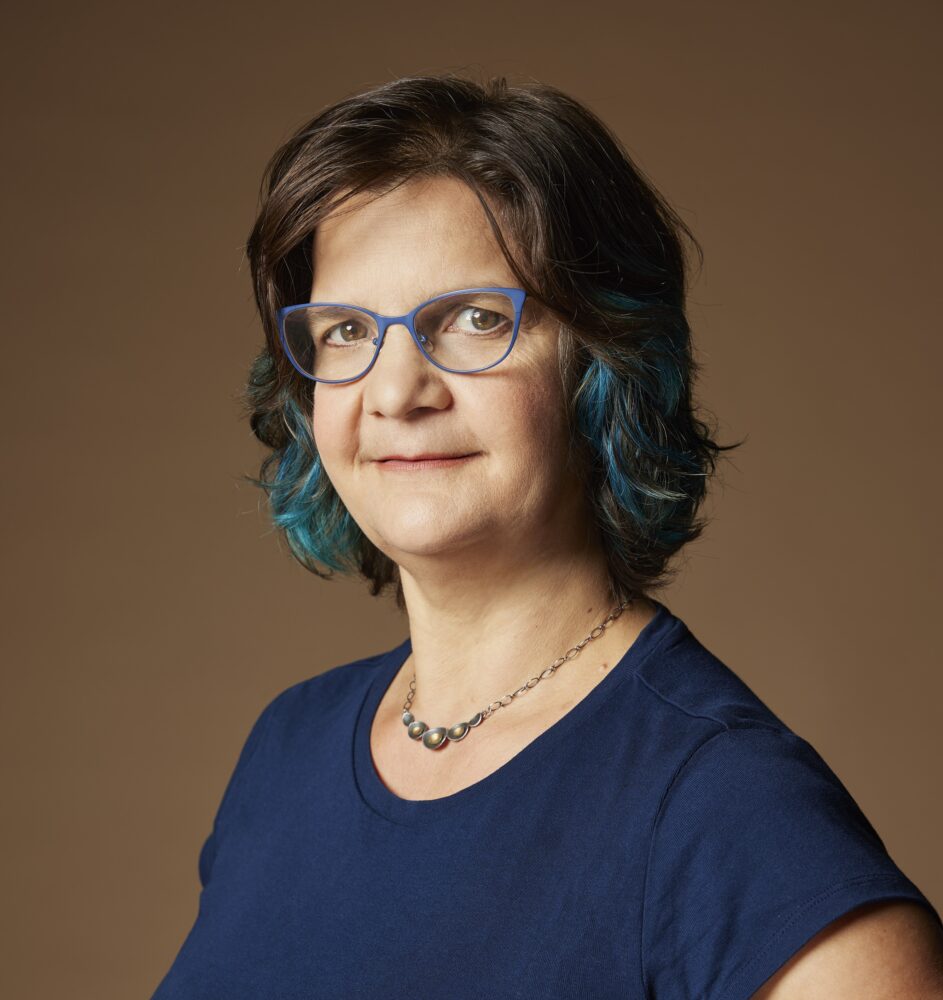
Julie the seeker emerges as a documentarian with a distinct and confident voice. One that
understands that embodiment is not a problem to solve, but a story to tell.
Hear more about the film from the the creator here as I caught up with her just before checking in to the Slamdance film festival where it made is debut in the Unstoppable section. Yes, I convinced her pull over in her car and chat with me. Thus is the way of the artist.
Slamdance Film Fest Passes
@thetallestdwarffilm
@WomenMakeMovies and website: https://www.wmm.com/
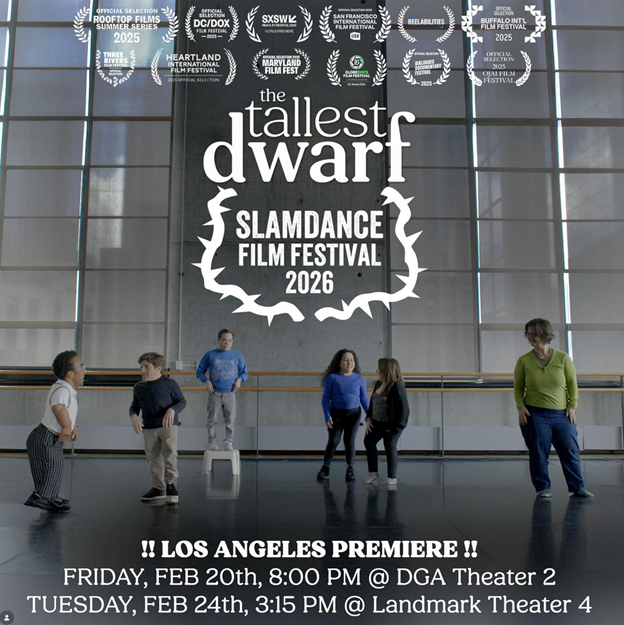
UPDATE: Congratulations to he Tallest Dwarf directed by Julie Forrest Wyman which was given Honorable Mention in the 2025 Slamdance Unstoppable Feature Grand Jury Prize category. With the prize awarded to You Look Fine directed by J. Snow.