By Valerie Milano, Judy Shields & JP Durand
Anaheim, CA (The Hollywood Times) 1/25/26 – Martin guitars have long been noted and cherished for very specific sonic characteristics: a singularly clear high end paired with booming yet controlled lows. This distinctive tonal balance has become a benchmark against which other steel-string acoustics are measured. Achieving that sound, however, is no small feat, particularly when it comes to making quality instruments accessible at lower price points. It requires ingenuity, precision, and deep craftsmanship to translate such a refined voice into a modern manufacturing context.
Over the years, C.F. Martin & Company has met that challenge head-on, working thoughtfully to provide more affordable instruments while maintaining the integrity of the Martin sound. The company took a significant step in that direction several years ago with the introduction of its Made in Mexico series, which incorporated laminated tops and proved both commercially successful and widely embraced by players.
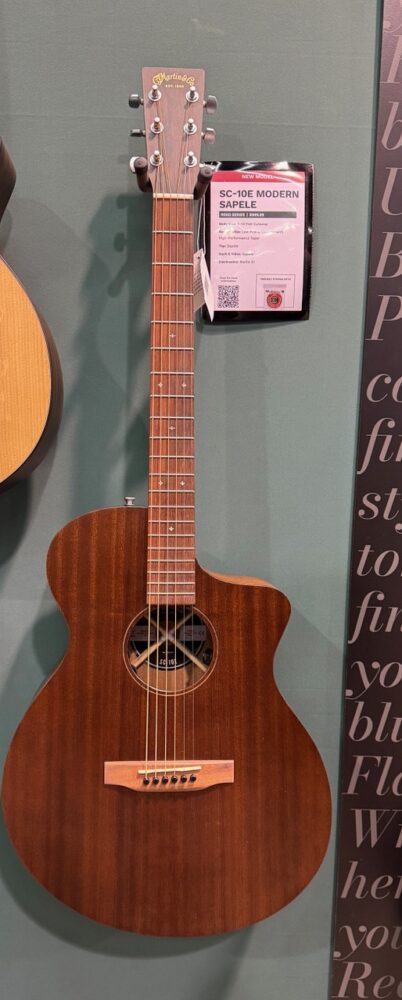
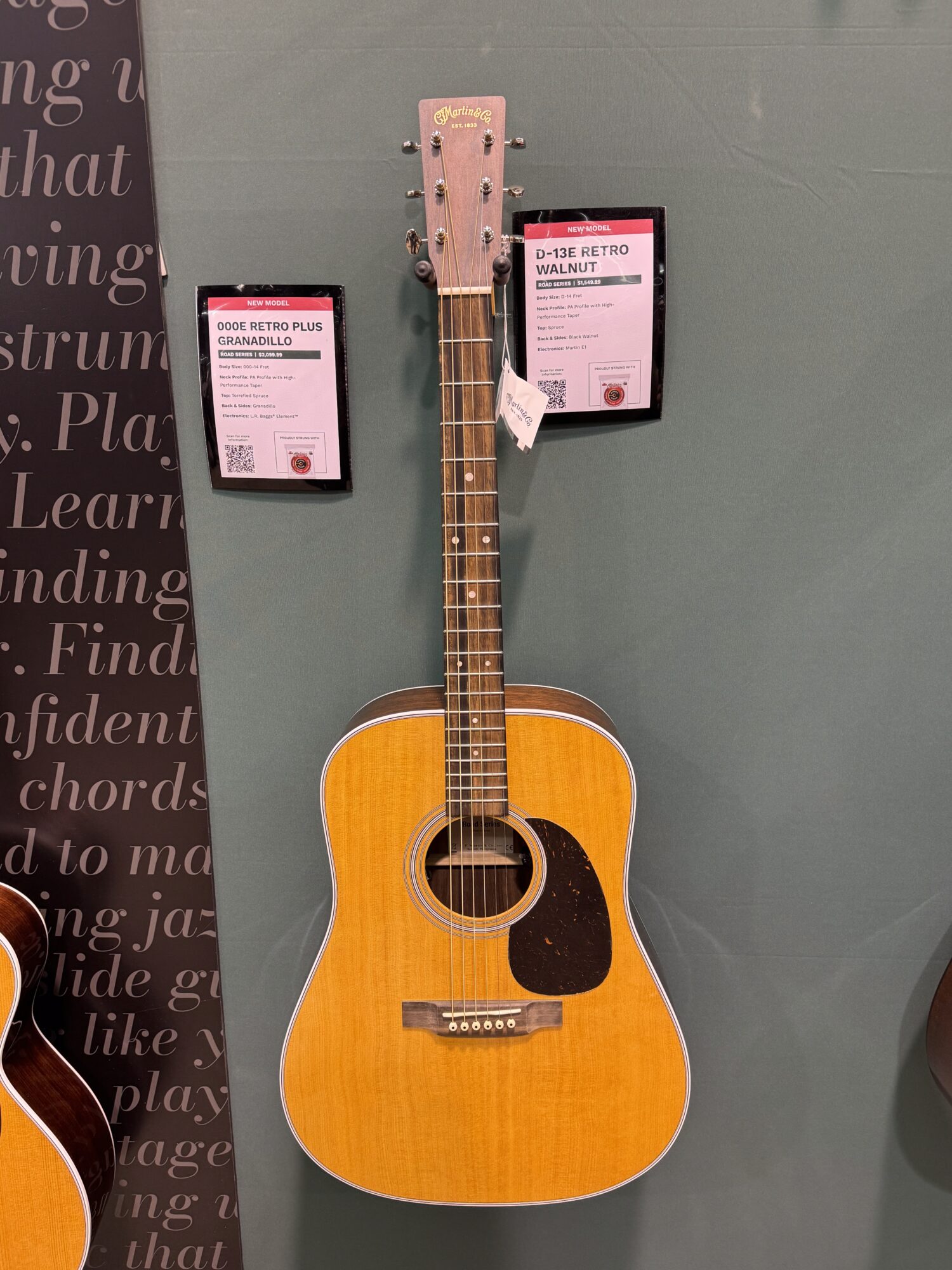
This year, Martin has remained focused on affordable quality, this time elevating the approach further with solid-wood construction throughout the lineup, incorporating renewable tone woods such as sapele. It’s a move that reflects both environmental responsibility and an unwavering commitment to sound.
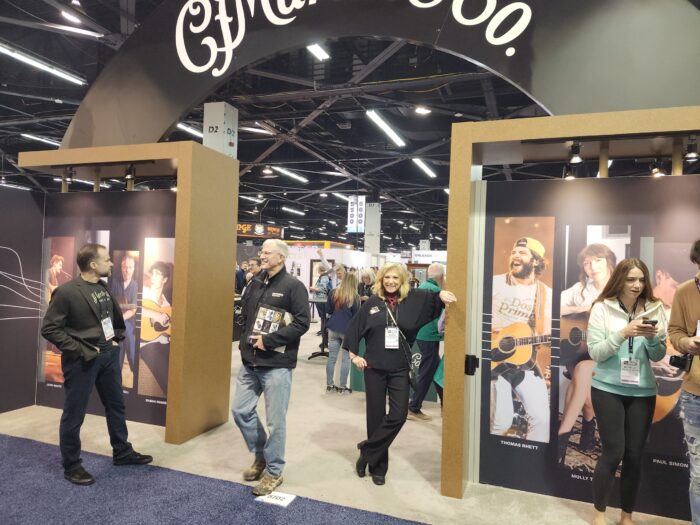
At The NAMM Show, where innovation hums through cavernous halls and the future of music is debated at every turn, Martin stood as a living bridge between past and future. In a year marking NAMM’s 125th anniversary, the company’s presence felt especially resonant rooted in heritage, animated by community, and powered by a belief that the acoustic guitar remains one of the most emotionally potent instruments in modern music.
That belief was reinforced not only by the packed Martin booth, buzzing with artists, journalists, and fans, but also through a significant philanthropic commitment. Thanks to a $125,000 matching gift from Chris Martin, Chair of Martin Guitar, every donation to The NAMM Foundation is being doubled in honor of NAMM’s milestone year. It was a powerful reminder that Martin’s legacy is measured not only in instruments, but in impact.
In an on-camera interview at NAMM, Chris Martin, the sixth generation of the Martin family to lead the company, spoke candidly about stewardship, continuity, and why the acoustic guitar still matters in a technology-saturated world.
“I’ve always felt that it’s a marathon, not a sprint,” Martin shared. Handed the baton by his father and grandfather, he sees his role as preserving what matters while preparing the brand for what comes next. In an era dominated by screens and constant connectivity, he hears a familiar refrain from people working in tech: put the phone down, pick up an acoustic guitar, and reconnect with something human.
Click below for our exclusive interview:
That emotional connection continues to define the brand. “First of all, the guitar has to sound good, and Martin’s sound good. They also have to look good,” he said, pointing to the iconic dreadnought silhouette. “You get Johnny Cash up on stage with a dreadnought, people know they’re going to hear some good music.”
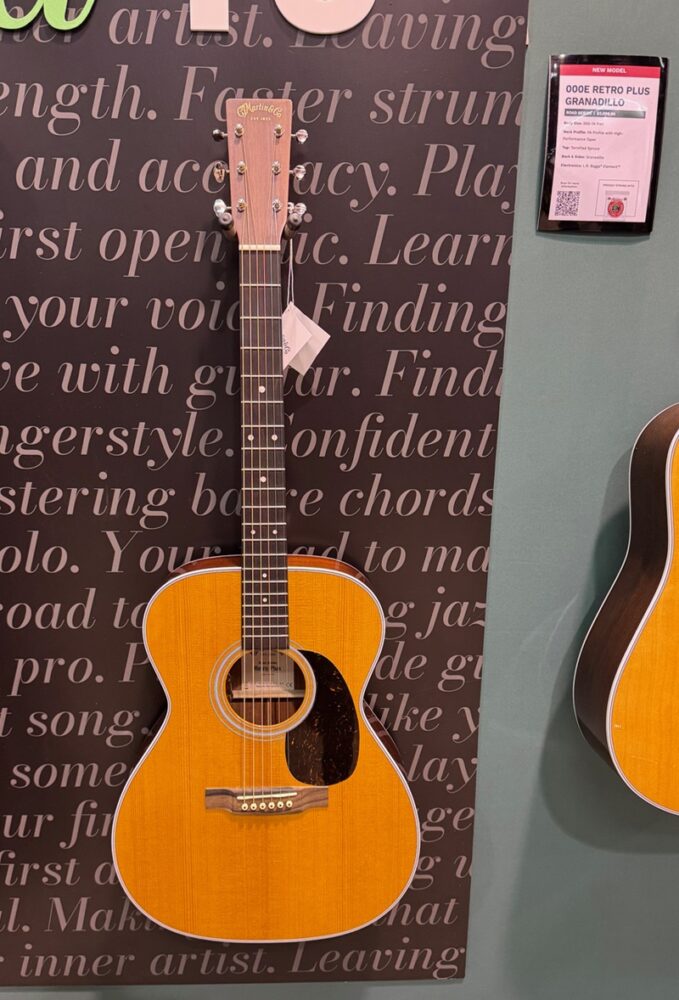
Chris Martin recalled a moment that perfectly captured the company’s philosophy: someone once told him that Martin Guitar has one foot firmly planted in the past and one foot firmly planted in the future. He agreed wholeheartedly.
Classic designs may drift in and out of fashion, small-body guitars included, but Martin continues to build them, confident that musicians eventually circle back. Innovation, meanwhile, is approached with intention. “If I went too wild and crazy,” he joked, “people would suggest I needed to be institutionalized.” The balance, as always, is respect without stagnation.
Sustainability is not a trend at Martin; it’s a family value. Long before it became an industry mandate, the Martins were careful with rare and exotic woods, designing processes to minimize waste and maximize longevity. For Chris Martin, sustainability is deeply personal. As a multi-generational family business, protecting resources today ensures that future generations, quite literally his own daughter, can carry the company forward.
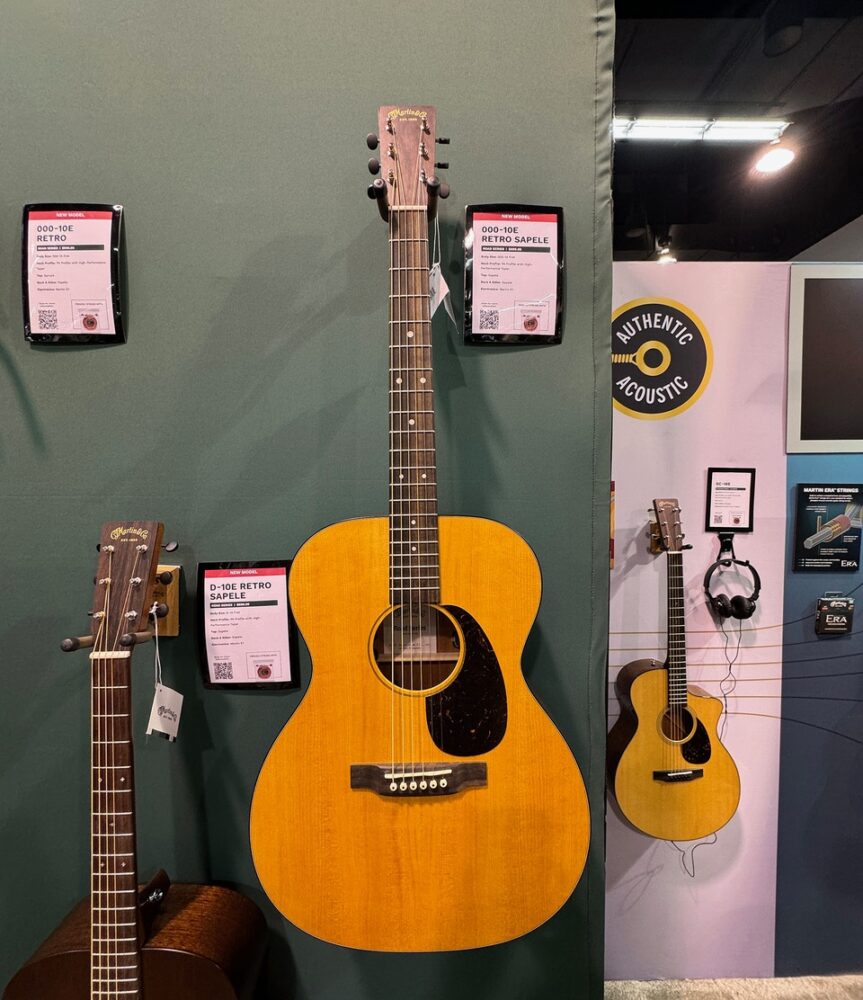
“Sustainability helps a multi-generational family business remain multi-generational,” he said. It’s a philosophy that mirrors the instruments themselves: built to last, meant to be passed down.
One of the most compelling insights from the interview centered on younger musicians. Contrary to assumptions, Martin finds them deeply curious about musical lineage. They trace influence backward, from John Mayer to Bob Dylan to Woody Guthrie, and along the way discover a familiar constant: Martin guitars.
“People dismiss how curious musicians are about music itself,” he observed. In discovering where music comes from, young players often find themselves holding the same instruments their heroes once did.
In a NAMM landscape filled with AI tools, digital platforms, and cutting-edge audio technology, Martin positioned the acoustic guitar as the very beginning of the signal chain, the origin point of sound. From pickup to preamp to PA, everything depends on the quality of that first vibration.
“We’re the beginning of that sound,” he said. “And that sound has to be good before it goes anywhere else.”
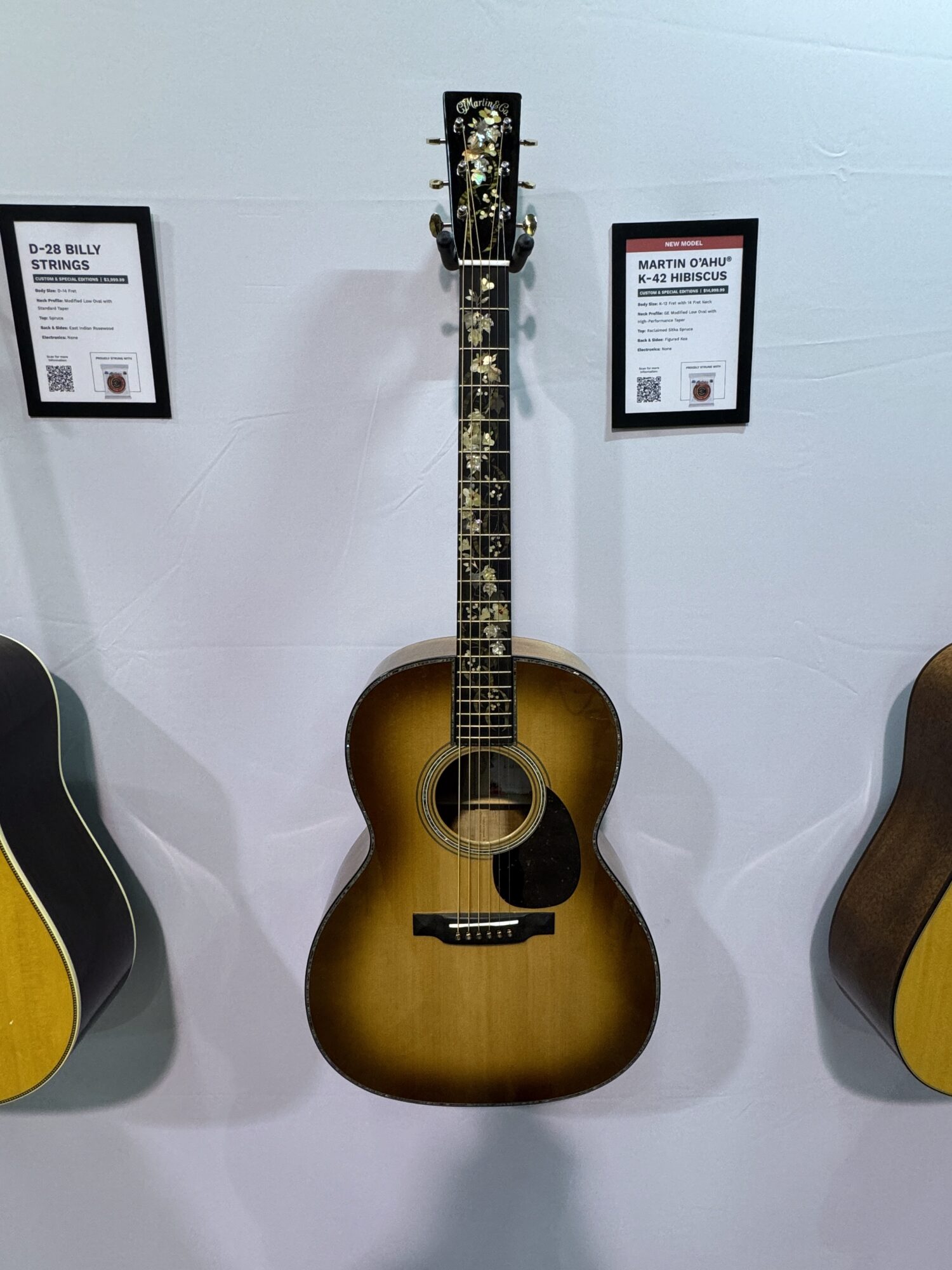
When asked what excites him most about Martin’s direction today, Chris Martin didn’t point to a single product. Instead, he gestured around the booth, crowded, energetic, alive.
“The people,” he said simply.
It’s that human connection, between maker and musician, past and future, that defines the Martin experience. While Martin guitars have never been inexpensive, the company hopes players walk away feeling they’ve invested in something of lasting value. “If you take really good care of it,” he said, “the guitar is going to last longer than you will.”
As the conversation closed, Martin offered a piece of advice that felt both practical and poetic: always keep your first Martin guitar. It’s more than an instrument, it’s a companion, a witness to a life in music.
From a packed NAMM booth to a six-generation legacy, from sustainability to education, Martin Guitar’s presence at NAMM reaffirmed something timeless: in a fast-changing industry, authenticity, craftsmanship, and heart still matter. And as NAMM celebrates 125 years, Martin Guitar continues to play not just a role, but a leading chord, in the future of music.
Additional interviews, demonstrations, and video coverage from NAMM 2026 forthcoming.