By Valerie Milano
Los Angeles, CA (The Hollywood Times) 10/9/25 – As proud media partners of the Highland Park Film Festival, The Hollywood Times continues its coverage of this year’s diverse lineup, spotlighting emerging voices in cinema that push the boundaries of independent storytelling. Among these standout works is Grief is a Room, a deeply personal and haunting short film written, directed, shot, edited, and performed by Los Angeles-based filmmaker Andrew Coughlin. The film screens on Saturday, October 25th at 2 PM as part of the festival’s official selection.
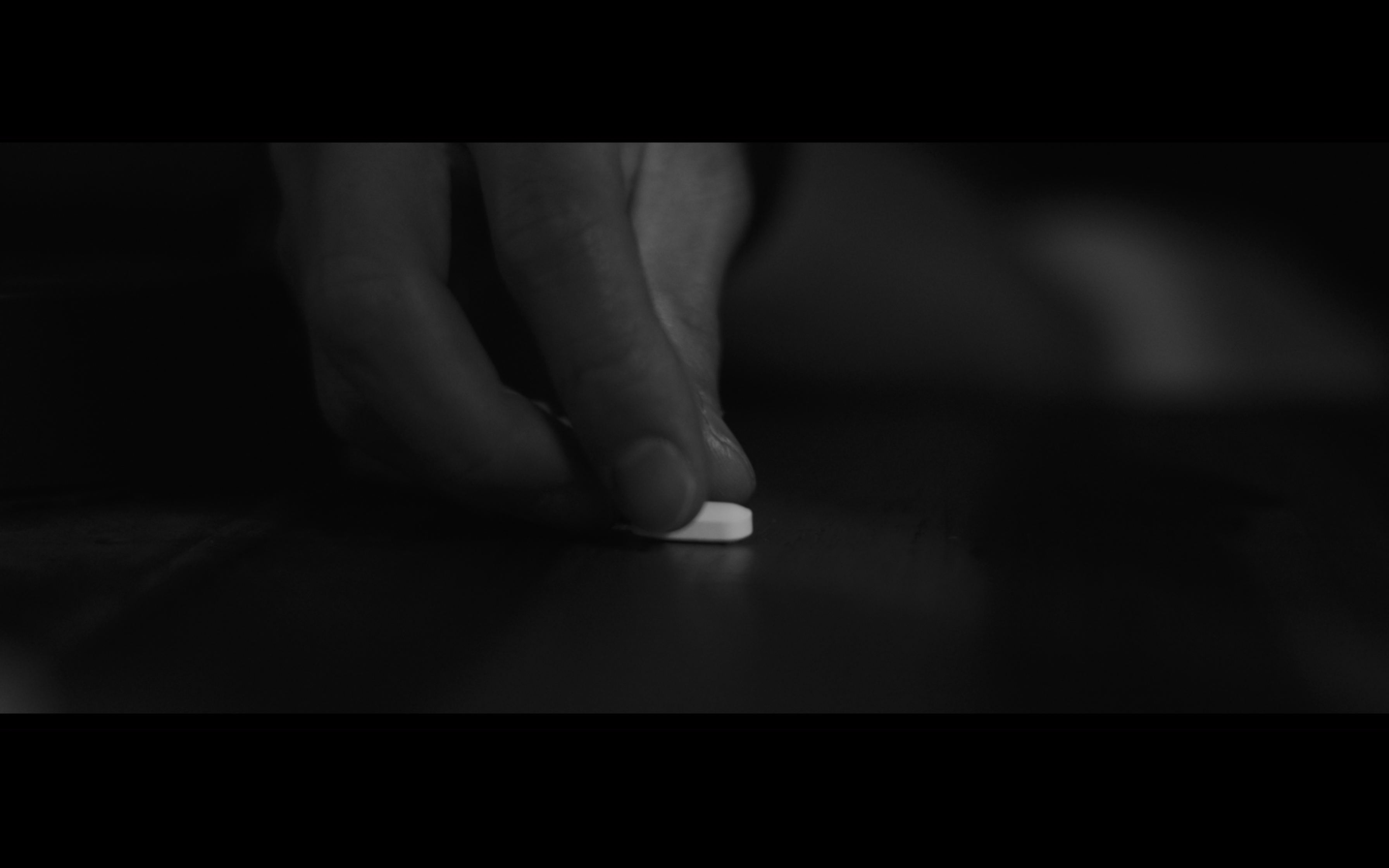 Running just under eight minutes, Grief is a Room explores the isolating aftermath of loss with meditative precision. The story follows a father through seven nights of solitude after the death of his young son. Confined to his apartment, he drifts between memory and ritual, burdened by silence yet tethered to fleeting flashes of joy.
In our Zoom interview, Coughlin revealed how the film’s spark came less from a grand design and more from creative necessity. “I had this idea of someone playing Russian roulette with pills for a while now,” he explained. “Originally, it was supposed to be another film, but the actress I wanted wasn’t ready. I was eager to make something else, so I thought, okay let me use what I have: myself, my son, my gear, my apartment. And then build a different story from there.”
That impulse resulted in a project that was entirely self-made, no crew, no budget, and no external resources.
Coughlin admitted the process was both liberating and daunting. “The biggest challenge was probably making sure I was in focus,” he laughed, noting his reliance on a small 5-inch monitor. Shooting night scenes quietly while his son slept added another layer of difficulty.
 Yet, working alone offered freedom: “I could work at my own pace. If I didn’t finish a scene one day, I could pick it up the next. It was shot over 11 days in small blocks of time, which allowed me to be patient.”
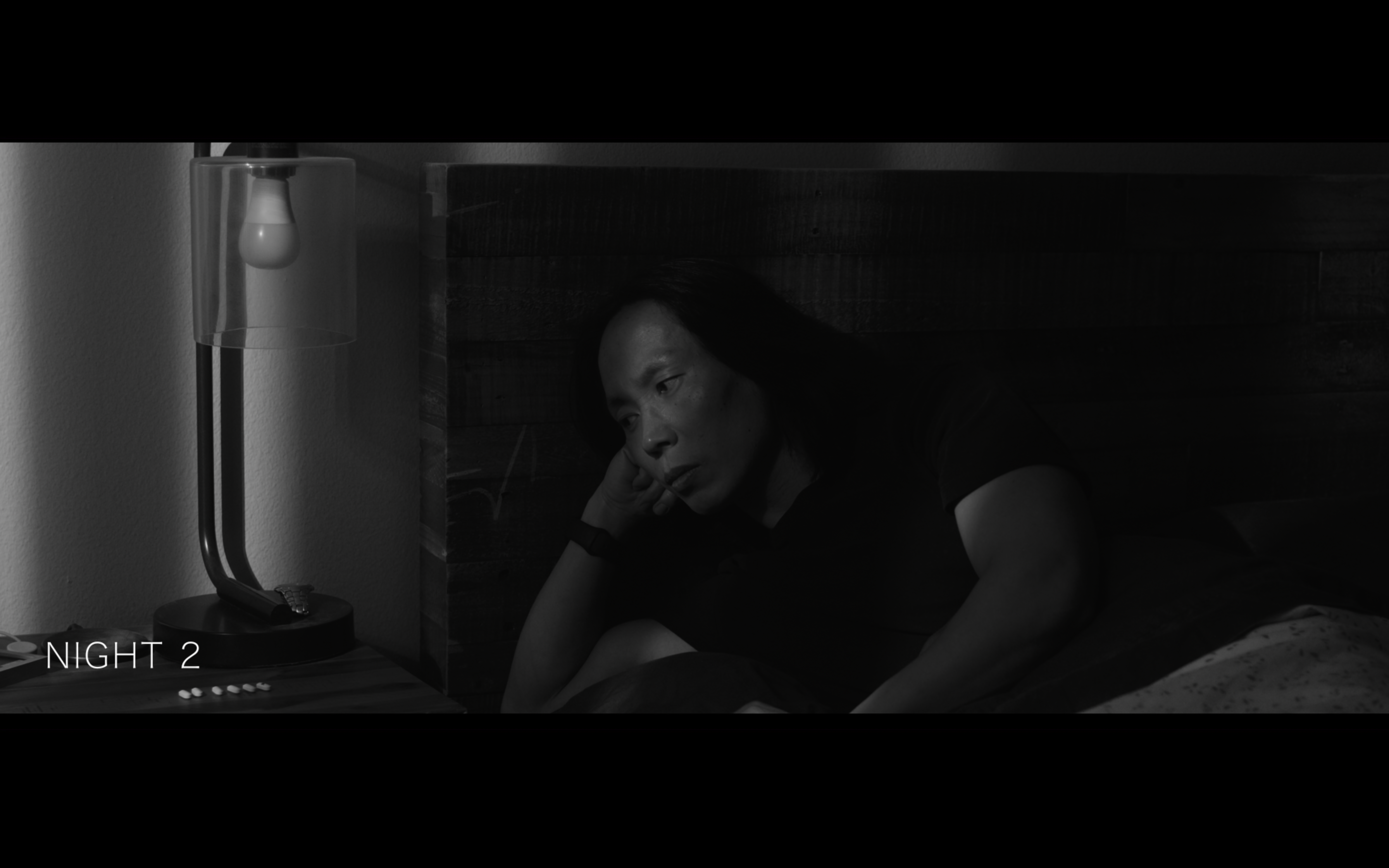 This patience and intimacy infuse the film. His camera lingers on shadows, empty spaces, and ritual movements, giving grief itself a physical presence.
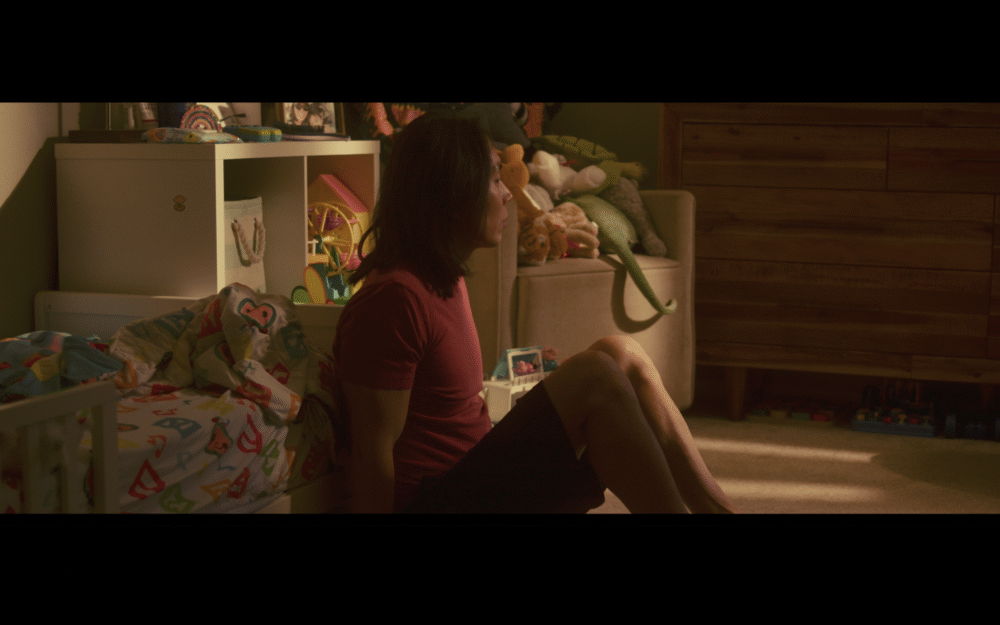
One of the most striking elements of Grief is a Room is its interplay between silence and sound, black-and-white and color. “Originally, the plan was to shoot everything in black and white,” Coughlin said. “But then I thought, well, maybe that’s too confusing for audiences. So, I decided flashbacks would be in color. And then I liked the idea of the father entering the son’s room—kind of a Wizard of Oz moment, where he chooses light and life over death.”
The result is subtle yet powerful: a quiet journey where silence speaks louder than dialogue, and a final burst of color hints at renewal.
Though fictional, Grief is a Room has struck a deep chord with audiences. Coughlin recalled a particularly moving response: “One actor came up to me after a screening and said he really connected with it. He had lost custody of his kids and even attempted suicide with pills. He said the film resonated with his personal story. That kind of feedback makes all the difference.”
Not all early viewers were so receptive, Coughlin laughed as he remembered his family’s uneasy reaction. “They thought it was a cry for help,” he said, “but I assured them it wasn’t. This is a fictional story.”
After years of making films that struggled to gain traction, Coughlin feels that Grief is a Room and his earlier short The Small Hours mark a turning point. “I think I was trying too hard to copy my filmmaking idols like Edward Burns and Woody Allen,” he reflected. “With these recent films, I’ve finally found my own voice. Festivals are recognizing them, and I feel like maybe this stripped-down style is my niche.”
His next project, The Days I Hold, continues in a similar minimalist vein but will feature other actors.
Our interview with Coughlin is here:
Grief is a Room is more than a film; it’s a reminder of what independent cinema can achieve when vision meets courage. By embracing silence, stillness, and stark honesty, Andrew Coughlin has created an intimate meditation that resonates universally.
As it screens at the Highland Park Film Festival, the short stands as both a moving testament to resilience and a celebration of the resourceful, personal spirit that defines true indie filmmaking.