By Tequila Mockingbird
Los Angeles, CA (The Hollywood Times) 9/16/25 – When punk first emerged in the late 1970s, it was raw, unpolished, and fiercely anti-establishment. The music was not just sound—it was a cultural stance. The early punk ethos carried a defiant spirit, openly anti-fascist, anti-racist, and supportive of anyone who lived outside society’s margins. It gave voice to those who had been silenced, building a community where outcasts found belonging.
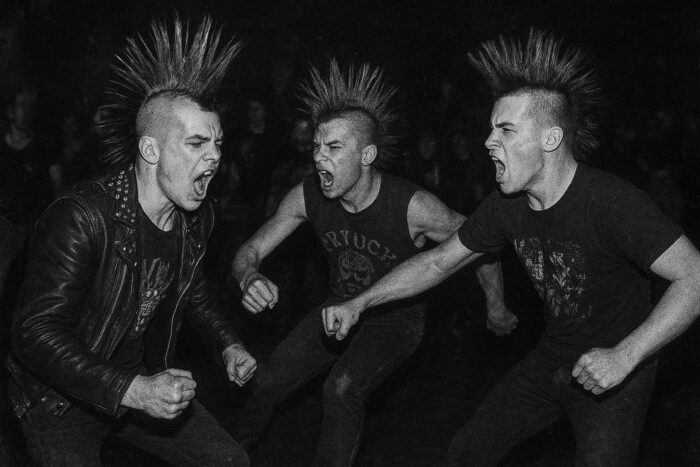
By the mid-1980s, however, the landscape began to shift. In Southern California, especially around Orange County, the scene started attracting a different crowd. Many of the same high school bullies who once targeted punks for their hair, clothes, and politics suddenly began showing up at the shows. Instead of embracing the inclusivity of the original movement, they brought with them aggression, nationalism, and at times outright fascist tendencies. The pit became less about shared catharsis and more about dominance.
This transformation represented a betrayal of punk’s original foundation. What was once about freedom and collective resistance started mutating into something more reactionary. Bands and fans who clung to the anti-fascist tradition found themselves pushed into smaller corners of the scene, while the new, harder-edged, macho-driven crowds reshaped punk’s image in the mainstream eye. For many who were there in the early days, it felt like a hostile takeover.
Looking back, the change was not just about music, but about identity and power. Punk had started as a refuge for the marginalized, but in certain spaces, it became co-opted by the very forces it sought to resist. That moment in the mid-1980s—when the outcasts became outnumbered by their former tormentors—marked the beginning of a split that punk is still grappling with today.